US President Donald Trump said on Sunday Iran could telephone if it wants to negotiate an end to their two-month war and stressed it can never have a nuclear weapon, after Tehran said the US should remove obstacles to a deal, including its blockade of Iran's ports.
Hopes of reviving peace efforts receded on Saturday when Trump scrapped a visit to Islamabad by his envoys Steve Witkoff and Jared Kushner.
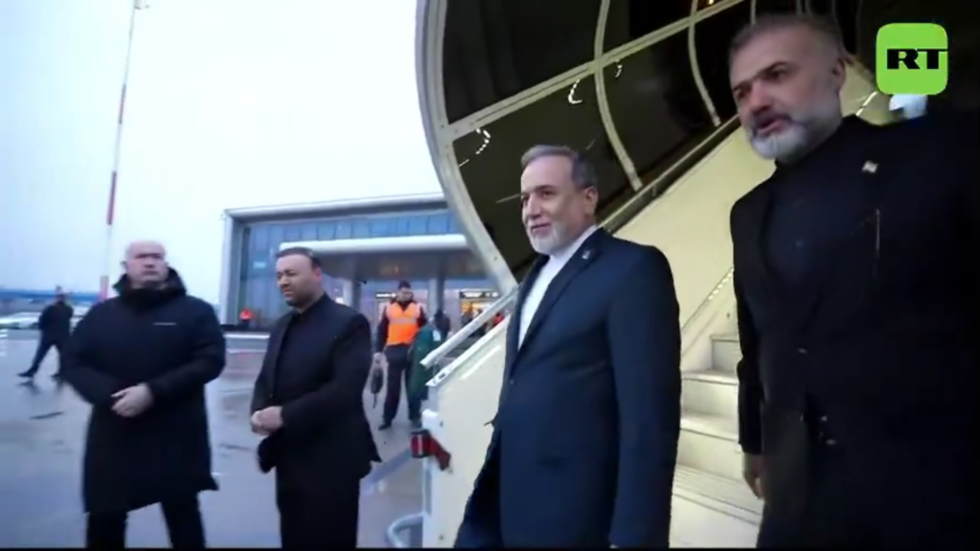
Iranian Foreign Minister Abbas Araqchi shuttled to and from mediators Pakistan and Oman on Sunday before heading to Russia, where he is due to meet President Vladimir Putin.
Oil prices rose, the dollar inched higher and US stock futures wobbled lower in early Asia trade on Monday after the peace talks stalled, leaving Gulf shipping blocked.
"If they want to talk, they can come to us, or they can call us.
You know, there is a telephone.
We have nice, secure lines," Trump told "The Sunday Briefing" on Fox News.
"They know what has to be in the agreement.
It's very simple: They cannot have a nuclear weapon, otherwise there's no reason to meet," Trump said.
Axios reported on Sunday, citing an unnamed US official and two sources with knowledge of the matter, that Iran gave the US a new proposal through Pakistani mediators on reopening the Strait of Hormuz and the ending of the war, with nuclear negotiations postponed for a later stage.
The US State Department and White House did not immediately respond to requests for comment on the report.
Iran has long demanded Washington acknowledge its right to enrich uranium, which Tehran says it only seeks for peaceful purposes, but which Western powers say is aimed at building nuclear weapons.
Although a ceasefire has paused full‑scale fighting in the conflict, which began with US-Israeli strikes on Iran on February 28, no agreement has been reached on terms to end a war that has killed thousands, driven up oil prices, fuelled inflation and darkened the outlook for global growth.
TRUMP FACES DOMESTIC PRESSURE TO END WAR With his approval ratings falling, Trump faces domestic pressure to end the unpopular war.
Iran's leaders, though weakened militarily, have found leverage in negotiations with their ability to stop shipping in the economically vital Strait of Hormuz, which normally....