Six years after Nintendo’s Animal Crossing: New Horizons became a lockdown phenomenon, the company is scoring another major hit worldwide from gamers seeking an escape from rising anxiety and isolation.
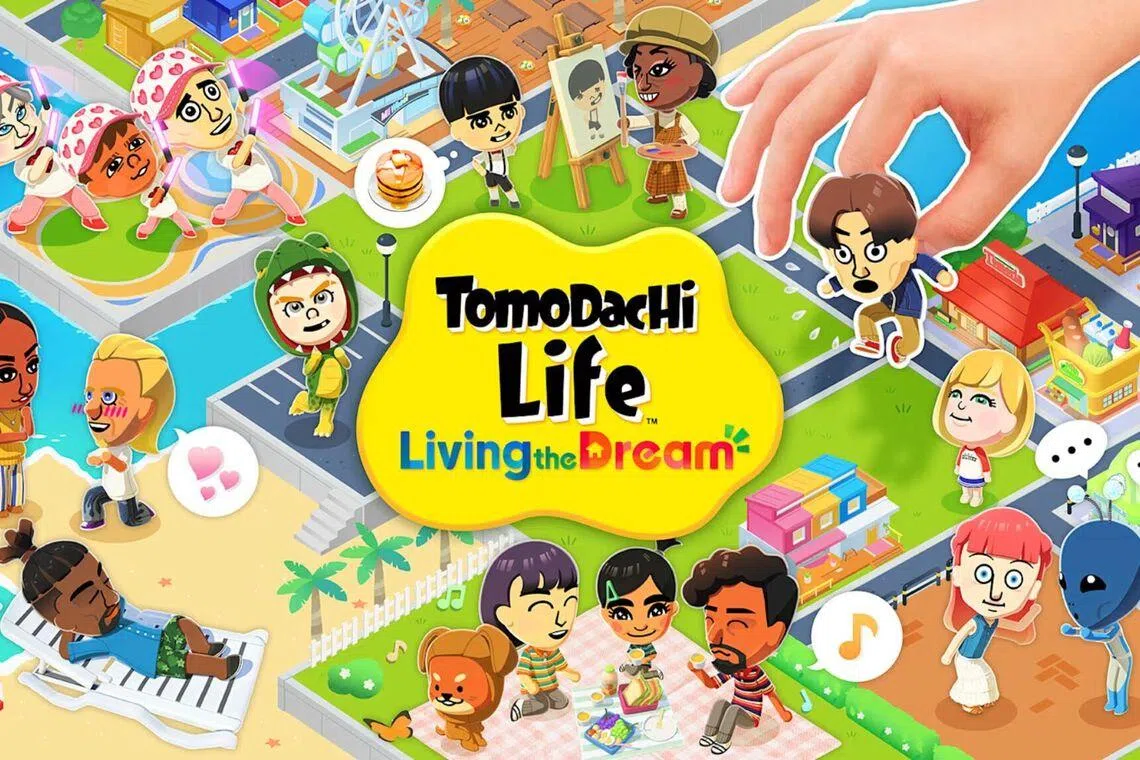
In Tomodachi Life: Living the Dream, players oversee virtual islands where customised avatars interact with each other.
Some simulate mundane life tasks, while others recreate famous faces and are shared for virality: One TikTok that has over 1.7 million views shows avatars resembling actors including Jack Black and Jennifer Coolidge interacting with fictional characters like Charlie Brown and Cooking Mama, another Nintendo creation.
The life-simulation game is a surprise hit for Nintendo and racked up over 3.8 million units in global sales within two weeks of its release in April, outpacing Pokémon simulator Pokopia.
That compares to sales for Super Mario Bros.
Wonder, which sold 4.3 million units within two weeks of its launch in 2023, making it the fastest-selling Super Mario title ever.
In June, Tomodachi Life topped sales charts for the third straight month in Japan, according to gaming magazine Famitsu.
The game took the fifth spot in the US in May after leading unit sales rankings in April, market tracker Circana said.
Living the Dream is the latest instalment in the Tomodachi Life series, which was first released in 2009 and started the concept of allowing Nintendo players to import their Wii consoles’ Mii avatars onto a digital island.
Producers who had worked on the original game wanted to make a more expansive sandbox of Mii characters that players could freely customise, yet still sit back and enjoy observing in a relaxed way, according to the company.
“Compared to other more competitive or lore-heavy games, life-sim games provide a way to immerse players into a more relaxing, slower and simpler world,” said Darang Candra, research director for South-east Asia and East Asia at game research firm Niko Partners.
The game’s ability to bring people together showcases Nintendo’s skill in revamping simple styles of play into global entertainment properties, even as much of the industry focuses on competitive online play and more realistic graphics.
Tomodachi Life’s success may also relieve some pressure on the Kyoto, Japan-based company, whose shares have declined more than 30 per cent so far....



)