Samar Chaurasia used to speak to his father, Shivanand Chaurasia, on the phone several times a day while he worked overseas on an oil tanker.
Then, without warning, the calls stopped.
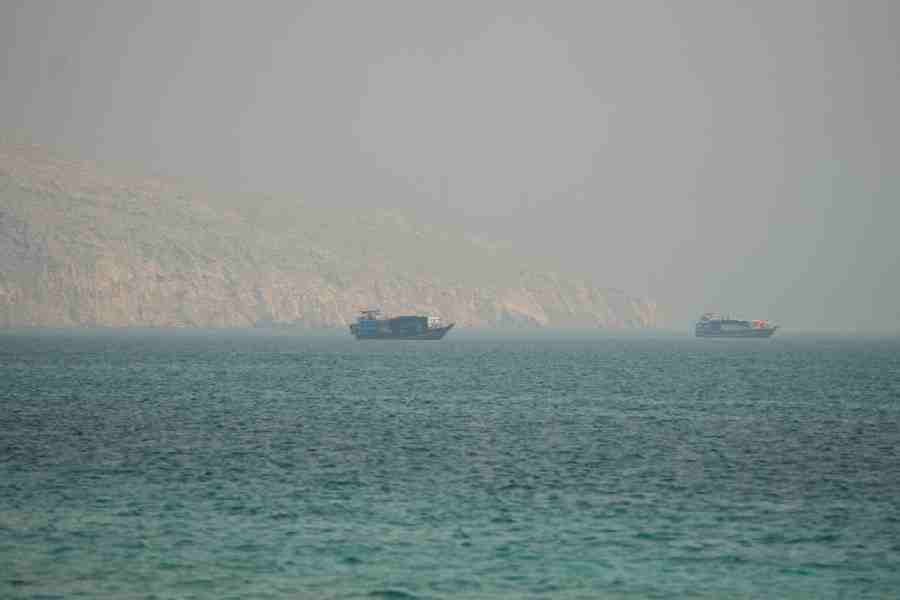
Shivanand Chaurasia, an engine fitter just six months into his first voyage, was among three crew members killed on June 10, when MT Settebello was struck in the Gulf of Oman during an attack by the United States.
Since the US-Israel war with Iran began, 10 Indian sailors have been killed and dozens more injured — some critically — as commercial cargo ships and oil tankers have repeatedly come under attack in the battle for control of key shipping lanes in the Middle East.
Indians make up one of the world's largest merchant shipping workforces, with more than 300,000 seafarers employed globally, according to Indian government data.
The US alleged the ship Samar's father was on was carrying sanctioned Iranian oil, but the vessel operator denied it was associated with Tehran and said no warning was issued before the ship was struck.
India's government has now become one of the first to take action to try and protect its sailors, including new monitoring measures and asking companies to stop hiring Indian workers.
But for some families, the measures have come too late.
'My brother did nothing wrong' Shivanand Chaurasia was the sole earner for his family.
His wife, Sushila, said the family sold their farmland to pay for his training to become an engine fitter.
"My entire world collapsed when I heard the news," the 31-year-old said.
"He loved our children very much; he loved me very much.
He couldn't go a single day without speaking to us.
"He used to call at least four times a day." Sushila said the last call she had with her husband was at 9pm the night before the oil tanker he was working on was attacked.
"I was at my mother's house.
He asked how we were, and I told him to call back in five minutes because our youngest was crying," she said.
"That's the last time I spoke to him." Sushila said her family has asked for 1 crore ($148,500) in compensation from the Indian government to help support her two children: six-year-old Samar and two-year-old Vyamika.
"He was on the ship for six months, and we didn't get a single penny sent home," she said.
Sushila, like other Indian families who have lost loved ones to the war, struggled to understand why Indians are being dragged into a conflict they want nothing to do with.
"If ships are not allowed, seafarers are not allowed there; then please send them back home.
Do not kill....