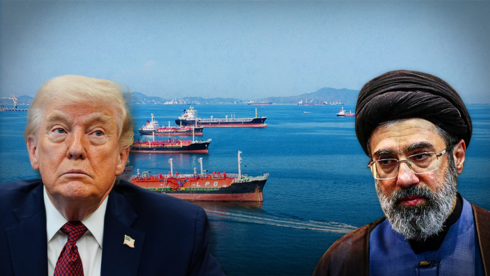
The United States’ deployment against Iran, dubbed Operation Epic Fury, has become one of the most extensive military commitments in recent decades, stretching across naval, air and missile‑defense assets.
As President Donald Trump warns he may end the ceasefire, Washington has concentrated overwhelming force in the Middle East — but at the cost of long‑term readiness and global deterrence, according to an Atlantic Council tracker.At sea, two of the three available aircraft carriers — USS Abraham Lincoln and USS George H.W.
Bush — are deployed.
USS Gerald R.
Ford has returned home after the longest carrier mission since Vietnam, while the planned retirement of USS Nimitz has been delayed until 2027, underscoring strain on carrier availability.
The US Navy currently fields eleven aircraft carriers.Destroyer commitments are equally heavy: 18 Arleigh Burke‑class vessels are operating in the region, roughly one‑third of the class.
Amphibious groups including USS Tripoli and USS Boxer add further weight.
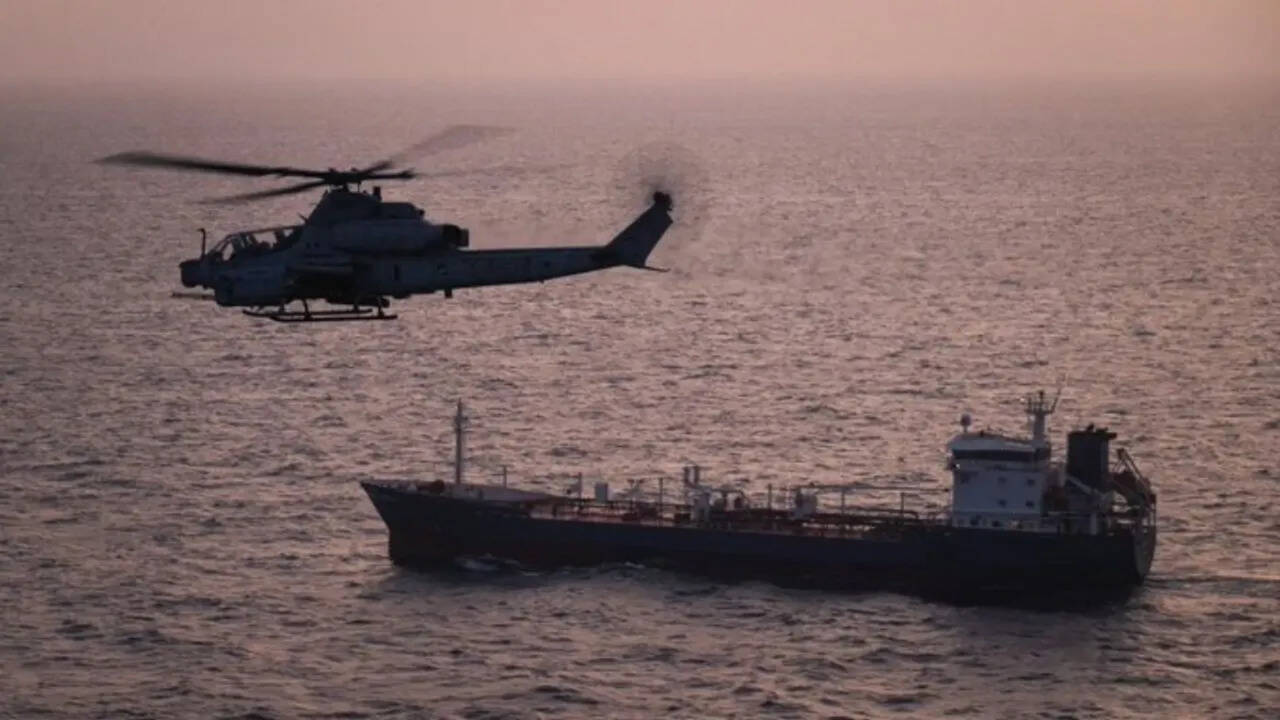
Mine‑countermeasure ships and littoral combat vessels are tasked with keeping Gulf shipping lanes open against the threat of Iranian mines.Air power has been mobilized at scale.