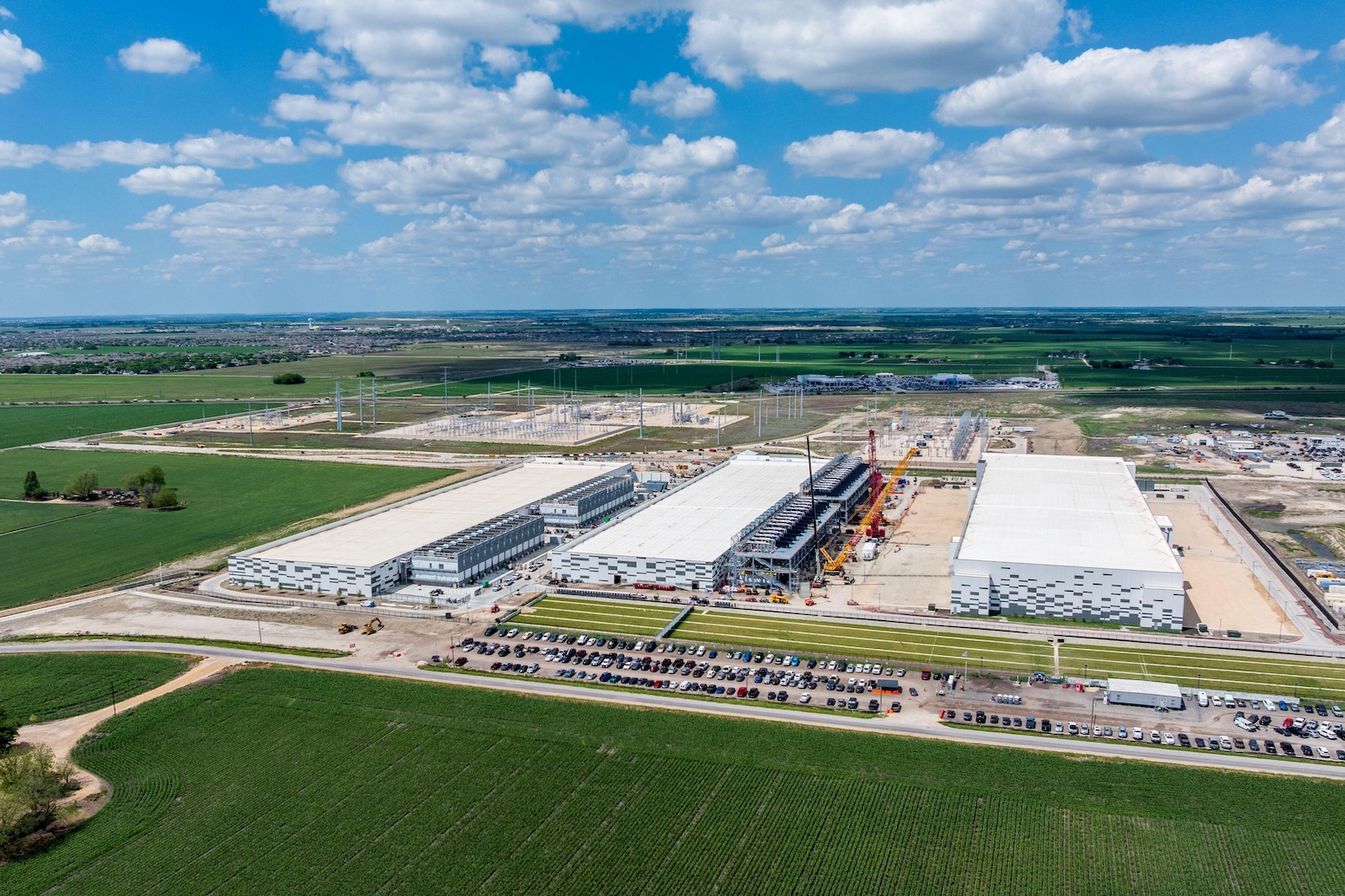
Emmanuel Addeh in Abuja The Dangote Petroleum Refinery emerged as the world’s largest single exporter of aviation fuel in April, with the company set to spend a fresh $10 billion on its 1.4 million barrels per day expansion drive, according to S&P Global.The development came after the 650,000 barrels per day refinery attained full operational capacity in February, enabling it to take advantage of supply disruptions triggered by the conflict in the Middle East and significantly boost exports of refined petroleum products to international markets.
The expansion will also require a significant diversification of crude supply sources, with the refinery expected to process a broader range of feedstocks from Africa, the Middle East, the United States and other producing regions, the report noted, disclosing that the facility can refine up to 40 crude blends with plans to expand it to over 100.
Chief Executive Officer of the refinery, David Bird, told Platts that the expansion would further cement the refinery’s position as a major global refining hub and significantly deepen Nigeria’s role in international petroleum products trade.Bird explained that within weeks of attaining full capacity, the refinery was able to respond swiftly to market shortages by increasing aviation fuel production, helping to fill supply gaps created by the conflict in the Middle East.
Sustaining current run rates demands another order of trading sophistication, testing the limits of Dangote’s logistics, said Bird, who left OQ8, owner of Oman’s Duqm refinery, in 2025 to become the company’s first CEO.“This is not a traditional refinery in an oil-producing country that just sits on the end of a crude pipeline and processes one crude,” Bird said.
“This is a fully merchant refining model that you could see in Europe or Asia,” he added.
After the Middle East war began, Dangote shifted to “max jet mode,” and in April it became the world’s single largest exporter of aviation fuel, according to S&P Global Commodities at Sea data.
The refinery is also producing 200 per cent of its petrol potential by importing blending components like GTL naphtha and Bonny condensate, Bird said.
As such, it can “comfortably” make 75 million litres/day (about 650,000 bod), and could do 100 million l/d with better storage infrastructure, he added.
According to the report, other projects would further diversify the feedstock coming into Dangote.
In addition to a new linear alkylbenzene plant and diesel hydrotreater, the company is planning to build a new 750,000 metric tonne/year propane dehydrogenation plant, which will process imported LPG and convert it into polypropylene.Although the Dangote model was designed to process the light sweet crude native to Nigeria, it has been challenged by what the refinery says is a lack of local supply and poor terminal reliability.
Dangote can now refine 40 different types of crude,....