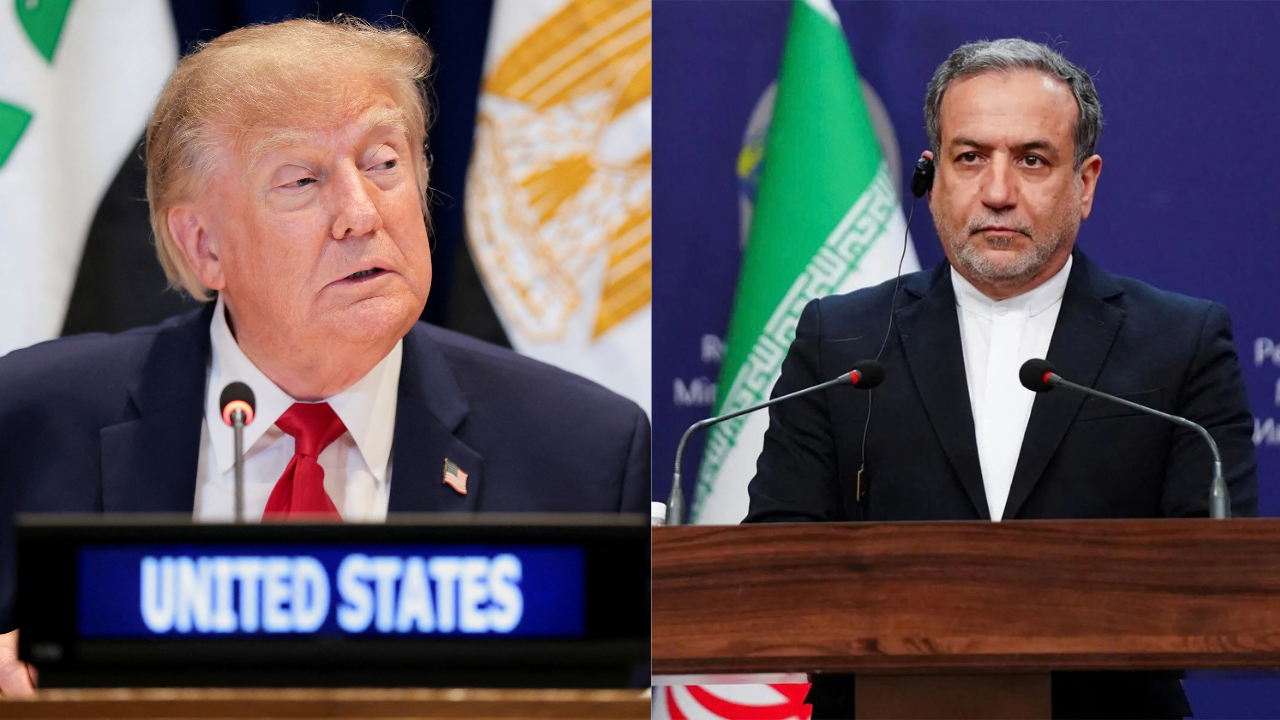
Iran offered Tuesday to reopen the Strait of Hormuz within seven days if the United States eases military pressure and lifts its blockade on Iranian ports, hours before President Donald Trump threatened to “annihilate” the Islamic Republic if the two countries fail to reach a deal.
Tehran’s offer targets one of the war’s most consequential pressure points for the United States, where disrupted energy flows through Hormuz have helped push American fuel costs sharply higher.
The proposal also lands just weeks before the November midterm elections as polling shows broad public dissatisfaction with the war and Trump faces mounting political pressure over the cost of living.
“I have a big decision to make,” Trump said, including whether he would “annihilate the Islamic Republic and do it quickly,” according to the United Nations.
PRESIDENT TRUMP: I have a big decision to make.
Will a deal be made with Iran that lets them rebuild and create a far greater country than it ever was before — maybe one of the greatest in the Middle East or even the world? Or do I annihilate the Islamic Republic, and do it… pic.twitter.com/lgRIgzHY67 — Breaking911 (@Breaking911) September 22, 2026 Tehran told Washington it could reopen the critical waterway within seven days if the United States eases military pressure and lifts its blockade on Iranian ports, Reuters reported, citing a senior Iranian official.
Iran delivered the proposal through mediators on Sept.
16 and said its delegation in New York has authority to revive diplomacy, according to the outlet.
“Iran is a perfect example of military hubris,” defense policy analyst and retired Marine Dan Grazier told the Daily Caller News Foundation.
“This whole situation is a really good example of why it’s important for everyone involved in this process to remember that war is a human endeavor … prosecuted to serve human purposes.” “Iran is clearly seeking relief from mounting military and economic pressure, but that does not mean the diplomatic opening is insincere,” Dania Thafer, the executive director of the Gulf International Forum, told the DCNF.
“In fact, pressure is precisely what often produces diplomacy.
The more important question is whether Tehran is prepared to translate its offer into reciprocal, verifiable concessions.” Trump said at the U.N.
that the alternative would be an agreement allowing Iran to rebuild and become a “far greater country,” and predicted Washington and Tehran would eventually strike a deal after the November elections.
“He’s doing a kind of a carrot and stick routine here … he’s wielding a very big stick while also dangling a fat juicy carrot,” Grazier told the DCNF.
“Saying, on one hand, that he can annihilate the country very quickly.
That’s the stick.
And then saying that he can like rebuild Iran.
That’s the carrot.” The Pentagon referred to U.S.
Central Command, which declined to comment, citing operational security.
The White House also did not respond to a request for comment.
Update from CENTCOM Commander: pic.twitter.com/PTX6n9fn56 — U.S.
Central Command (@CENTCOM) September 19, 2026 The president also used the speech to defend the U.S.
campaign against Tehran and reiterate his demand that Iran never acquire a nuclear weapon.
“I will never allow Iran to have a nuclear weapon,” Trump said, according to the United Nations.
Trump also credited Operation Midnight Hammer with destroying Iran’s nuclear program and Operation Epic Fury with eliminating the Iranian navy.
Former Director of National Intelligence Tulsi Gabbard said in March 2026 that Operation Midnight Hammer....