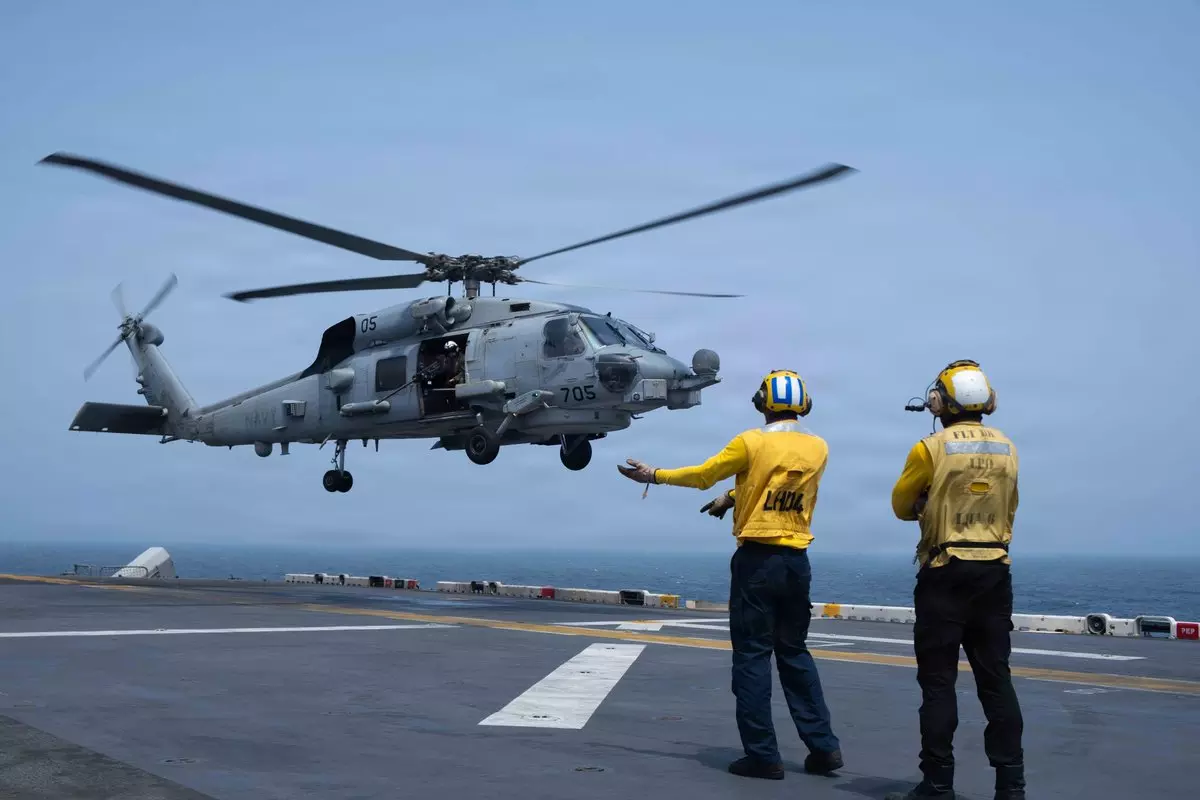
The US military said it carried out its 11th straight night of strikes on Iran early Wednesday, as fighting across the Middle East continued to overshadow efforts to revive an interim ceasefire that has collapsed.
The latest escalation has unfolded alongside attacks on shipping routes and rising energy prices, with the conflict increasingly centred on control of the Strait of Hormuz, a vital route for global oil and gas supplies.Iranian Interior Minister Eskandar Momeni travelled to Pakistan, which has been trying to restore diplomacy between Tehran and Washington, but there was no clarity on what new arrangement could end the war.
US President Donald Trump, speaking from the Oval Office, said Iranian officials "want to desperately meet" but that the US had "no interest in meeting" until they were ready for meaningful talks, and signalled that US forces could soon target the area near Pickaxe Mountain, close to one of Iran's main uranium enrichment sites.US Central Command said the latest targets included aircraft hangars and drone storage sites.
The strikes followed Trump's indication that military action would intensify.
With negotiations and shipping through the Strait of Hormuz largely stalled, both sides have sought leverage by targeting civilian infrastructure used by millions of people in the region.
The US barrage has not loosened Iran's hold over the strait, through which about one-fifth of the world's crude oil and natural gas moved before the war.The US continued airstrikes into Wednesday, with Iranian air defences activated near Tehran.
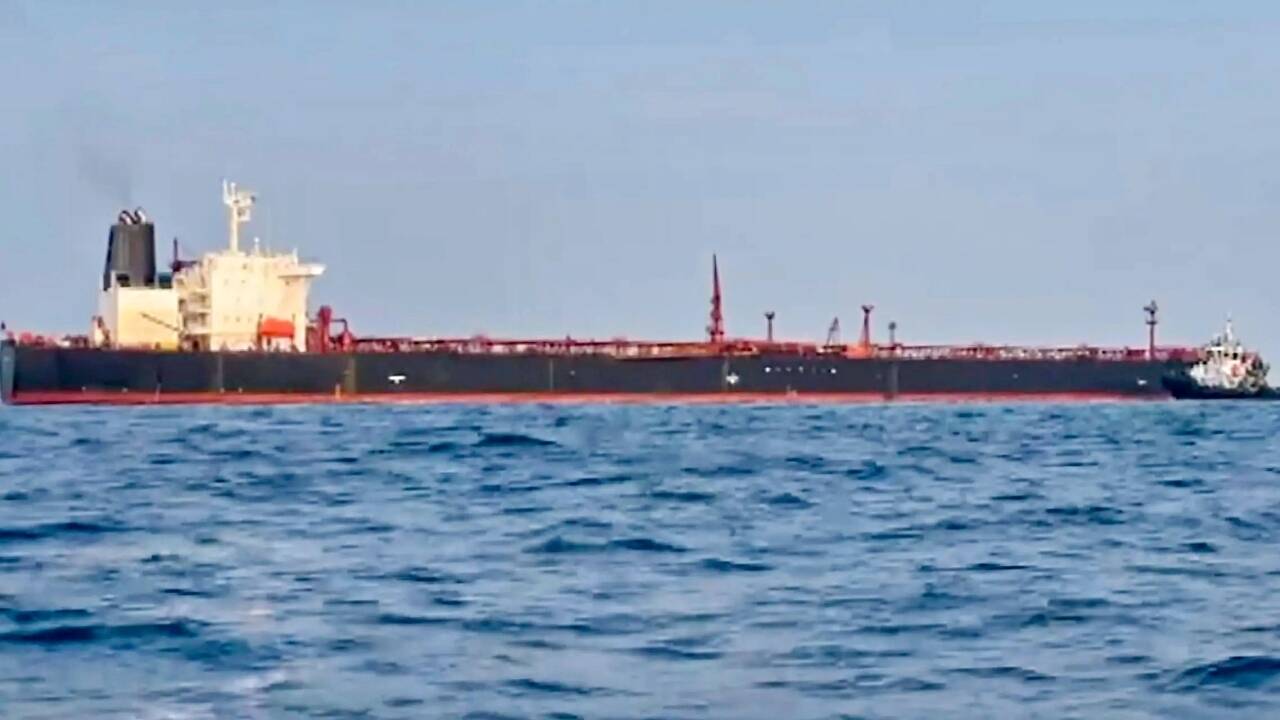
That came after Iran attacked a tanker in the strait, forcing its crew to abandon the ship, while attacks on US allies also continued.
Sirens sounded in Bahrain and Kuwait warning residents of incoming projectiles.
The escalation pushed up energy prices, with the international benchmark for crude trading above USD 92 a barrel on Wednesday and regular petrol in the US averaging USD 4 a gallon.With US midterm elections approaching in the fall, polls have pointed to the war's unpopularity among Americans, who have faced higher fuel prices and seen new casualties in a conflict that had appeared to be easing only weeks ago.
A US official told The Associated Press that the number of wounded US personnel in the Iran war had risen to well over 500, higher than the Pentagon's official tally of 482....