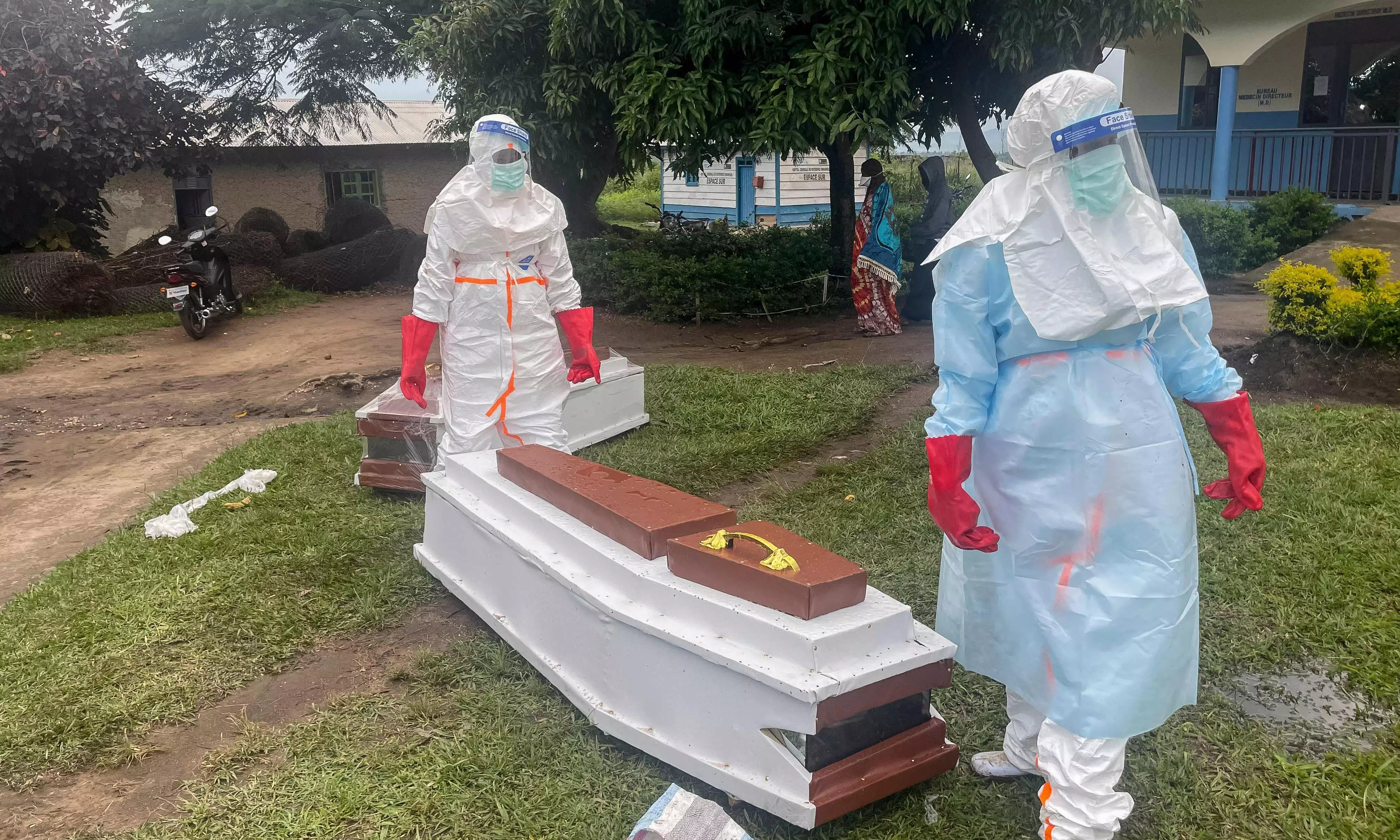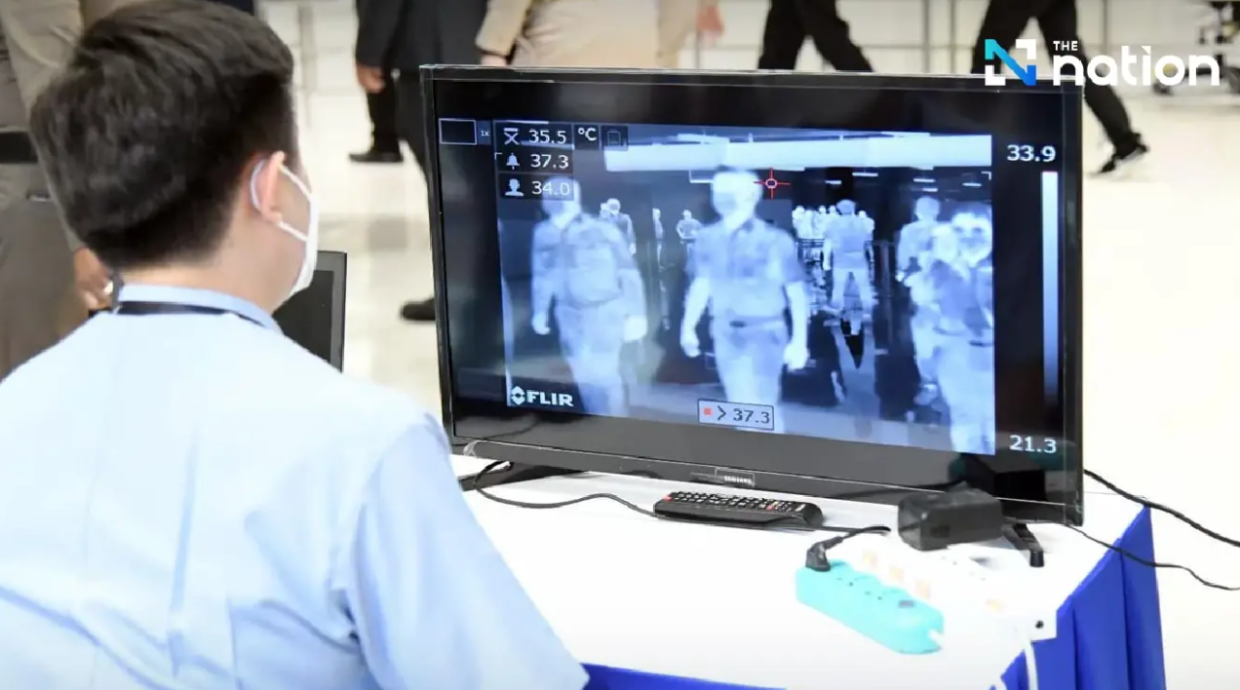
BANGKOK: Thailand has stepped up screening for Thai and foreign travellers arriving from the Democratic Republic of the Congo and Uganda, as authorities move to prevent Ebola from entering the country.
The Department of Disease Control (DDC) said the tighter measures follow the World Health Organization’s declaration on May 17 that the Ebola outbreak in Congo, and related cases in Uganda, constituted a public health emergency of international concern.
The situation has not been classified as a global pandemic.
Thailand has since designated the two countries as Ebola-affected zones under its dangerous communicable disease controls, with the measure taking effect on May 21.
Dr Rome Buathong, acting senior expert physician and director of the DDC’s Division of International Communicable Disease Control, said on May 22 that all travellers from the two countries, regardless of nationality, must undergo health screening and travel-history checks at Thailand’s communicable disease control checkpoints.
Travellers from risk areas are required to register their health status in advance through the Health Declaration system.
For foreign nationals, this will be integrated with the Thailand Digital Arrival Card, while Thai nationals must register through Thai Health Pass.
Airlines are also required to submit passenger information to the DDC before aircraft land in Thailand, allowing officials to receive travellers and assess their risk immediately on arrival.
Dr Rome said more countries could be added to Thailand’s Ebola-affected list if the outbreak spreads further.
Conversely, countries may be removed from the list if the situation comes under control.
The DDC has outlined three levels of measures for travellers after screening.
The first is health observation.
Travellers who show no symptoms on arrival will be allowed to continue their normal activities, but public health officials will monitor their condition for 21 days.
If no symptoms develop, monitoring will end.
If symptoms appear, they will be transferred to hospital isolation.
The second is quarantine for high-risk travellers.
This includes people who have had close contact with an Ebola patient, or those identified by the WHO as contacts requiring quarantine.
Such travellers will be sent from the international communicable disease control checkpoint to the quarantine centre at Bamrasnaradura Infectious Diseases Institute, which has 60 rooms and can accommodate 90 people.
If symptoms develop, they will be transferred to hospital isolation.
The third is immediate isolation.
Travellers found to have....