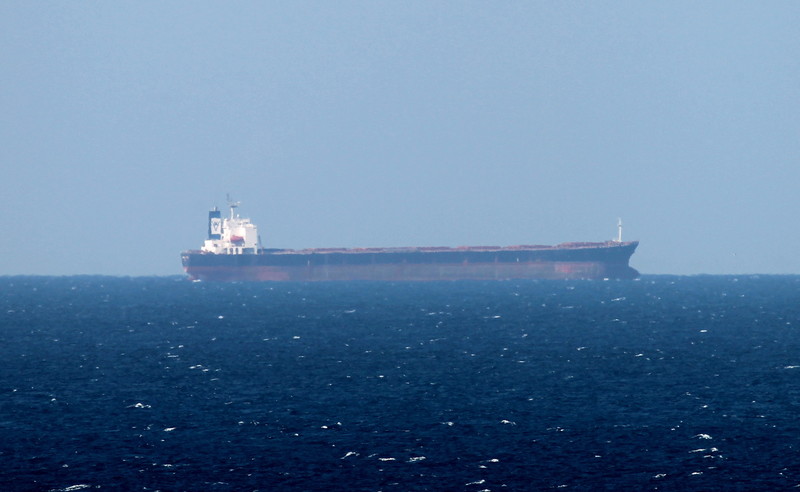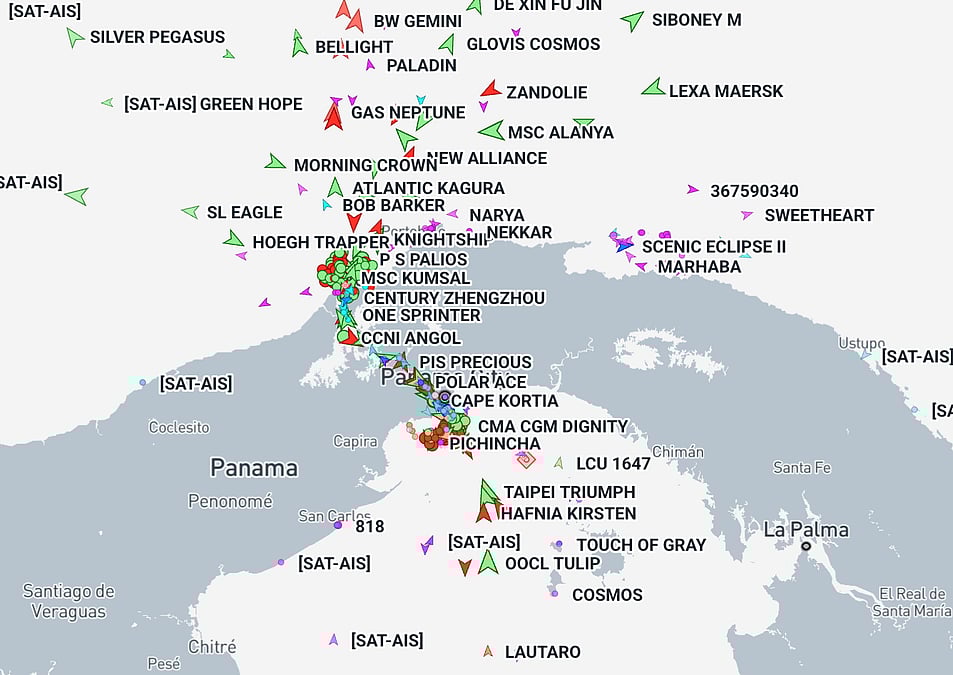
A surge of oil tankers and liquefied natural gas (LNG) carriers is crowding the Panama Canal, as shifting global energy routes driven by conflict in the Middle East push the strategic waterway to near-maximum capacity.
Videos circulating online this week show long lines of vessels waiting to transit the canal after loading crude oil and gas shipments from US Gulf Coast ports, underscoring a sharp rise in traffic bound for Asia..Strong demandCanal authorities say daily transits have climbed to between 36 and 38 vessels, above earlier projections, with energy shipments accounting for much of the increase.Reuters reported that demand has been particularly strong among LNG and liquefied petroleum gas (LPG) carriers transporting US exports to Asian markets..Strait or canal: Who can charge ships - and who can’t?.The congestion follows disruptions linked to tensions between Iran and the United States, including the effective closure of the Strait of Hormuz — a critical shipping route.
.The situation has forced many energy shipments to reroute, boosting reliance on the Panama Canal as an alternative path to the Pacific..CongestionThe current congestion differs from delays seen during 2023–2024, when drought conditions limited the canal’s capacity by reducing water levels.
Today, water supply has improved, allowing the canal to operate at full capacity.However, the bottleneck now stems from surging demand rather than restricted supply.
.US ramps up oil, gas exportsThe United States has ramped up oil and gas exports, with a growing share heading to Asia.
Analysts estimate that....