COMMENT | YUSUF MASABA | The Middle East stands once again at the edge of a dangerous precipice.
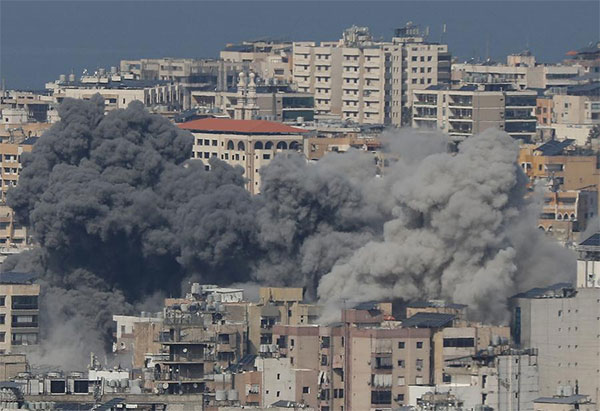
What began as a targeted military strike on an airport runway has rapidly evolved into a wider regional confrontation, threatening global energy markets and exposing the vulnerability of economies far beyond the Gulf.
On July 14, Saudi Arabian forces reportedly struck the runway of Sanaa International Airport to prevent an Iranian aircraft carrying a Houthi delegation from landing after attending the funeral of Iran’s late Supreme Leader, Ayatollah Ali Khamenei.
Saudi Arabia and the internationally recognised government of Yemen argued that the flight had bypassed established airspace control procedures and potentially violated existing United Nations restrictions.
The strike shattered the fragile United Nations-brokered truce that had largely held since 2022 and triggered a fresh cycle of violence across the region.
In response, the Houthis, formally known as Ansar Allah and widely regarded as an Iranian ally, launched a series of drone and ballistic missile attacks targeting infrastructure in southern Saudi Arabia, including Abha International Airport.
The developments marked a significant escalation, drawing the Yemeni group more directly into the broader regional tensions that have engulfed the Middle East.
Over the past week, Houthi forces have reportedly gained ground against the Saudi-backed internationally recognised government of Yemen, capturing strategic territories along the Red Sea coastline.
These developments have raised concerns about the security of one of the world’s most critical energy corridors at a time when global supply chains are already under pressure.
The situation has become even more alarming following Houthi threats against Saudi maritime interests.
Reports of attacks on oil-related infrastructure, the seizure of strategic positions near the Bab el-Mandeb Strait, and threats to shipping routes have heightened fears of disruptions to international trade.
Together with existing tensions around the Strait of Hormuz, through which a substantial share of the world’s oil supplies pass, the risks....