New Delhi [India], October 13 (ANI): The International Monetary Fund (IMF) on Tuesday projected India's economy to grow by 7 per cent in both FY27 and FY28, while warning of a fragile global economic outlook, rising inflation, geopolitical uncertainties and mounting fiscal pressures across major economies.
The projection, released in the IMF's October 2026 World Economic Outlook, was welcomed by Union Commerce and Industry Minister Piyush Goyal, who said India's free trade agreements (FTAs) would further strengthen global economic activity and resilient supply chains.
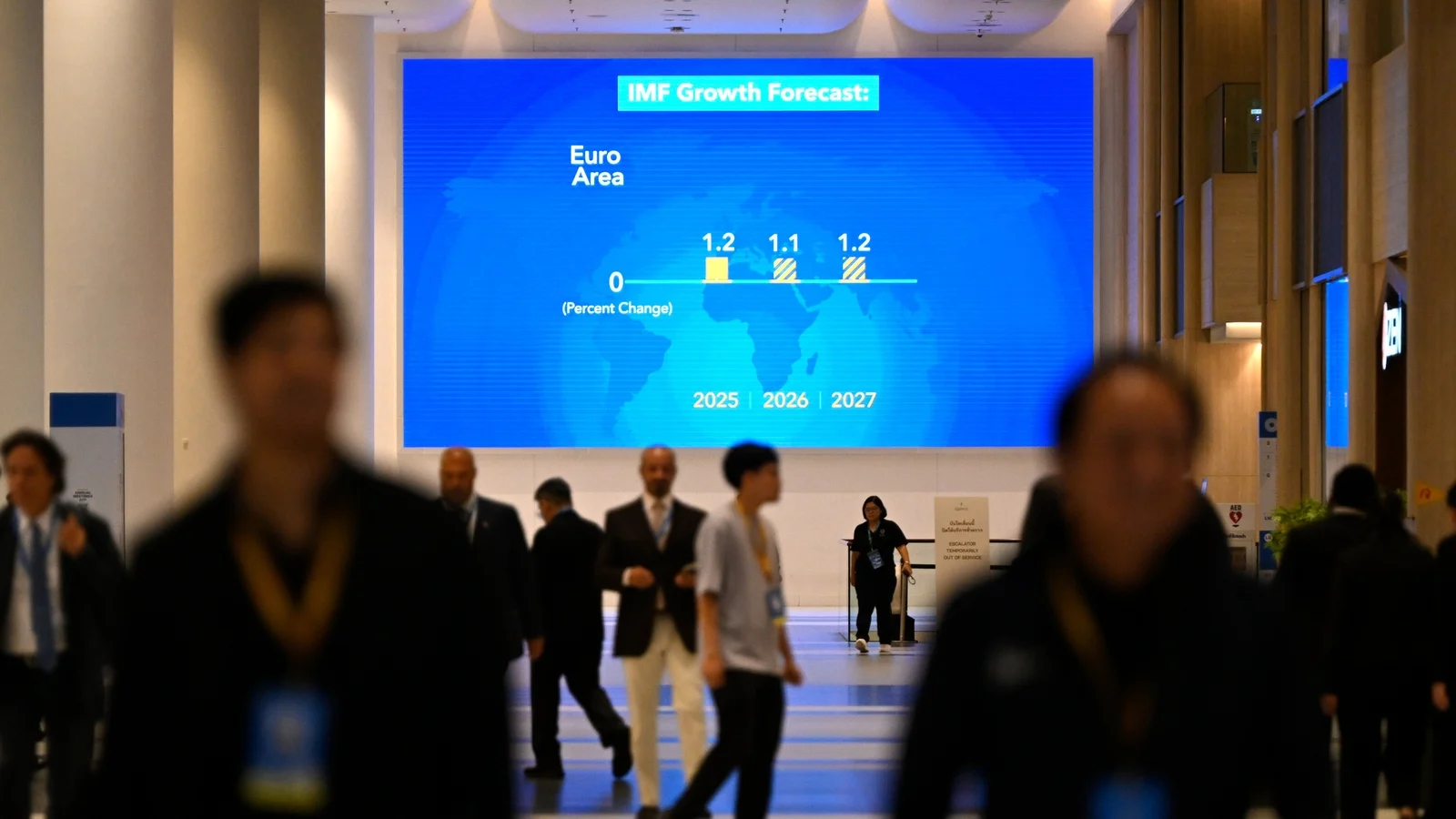
The IMF projected global growth to slow from 3.5 per cent in 2025 to 3.1 per cent in 2026 before recovering to 3.4 per cent in 2027.
"The global economy remains resilient, but that resilience is becoming more fragile and more uneven," the Fund said.
India, however, is expected to remain among the fastest-growing major economies, supported by stronger-than-expected economic momentum, resilient domestic demand and robust services activity.
Reacting to the forecast, Goyal said in a post on X, "UNSTOPPABLE INDIA! IMF has projected a 7% GDP growth for 2027 for Bharat, making us among the fastest growing major economies.
Our multiple FTAs under PM @NarendraModi ji are also expected to positively contribute to global economic activity and build resilient supply chains." On global inflation, the IMF projected an increase to 4.7 per cent in 2026, driven by higher energy and food prices, before easing to 4.1 per cent in 2027.
It warned that prolonged conflict or further escalation in the Middle East could keep commodity prices elevated, revive inflationary pressures and weaken economic growth.
"Risks are skewed to the downside," the report said.
The IMF also cautioned that global trade growth could slow amid tariffs, supply-chain adjustments and geopolitical disruptions, despite support from technology-related investment and trade.
It flagged the possibility of a sharp reassessment of artificial intelligence-related investment returns, which could trigger equity market corrections and tighten financial conditions.
Separately, the Fund raised concerns over deteriorating fiscal conditions, noting that public debt remained elevated and fiscal deficits in several major economies were significantly higher than before the COVID-19 pandemic.
Rising borrowing costs, alongside spending pressures related to ageing populations, climate change and national security, have further reduced governments' ability to respond to fresh....