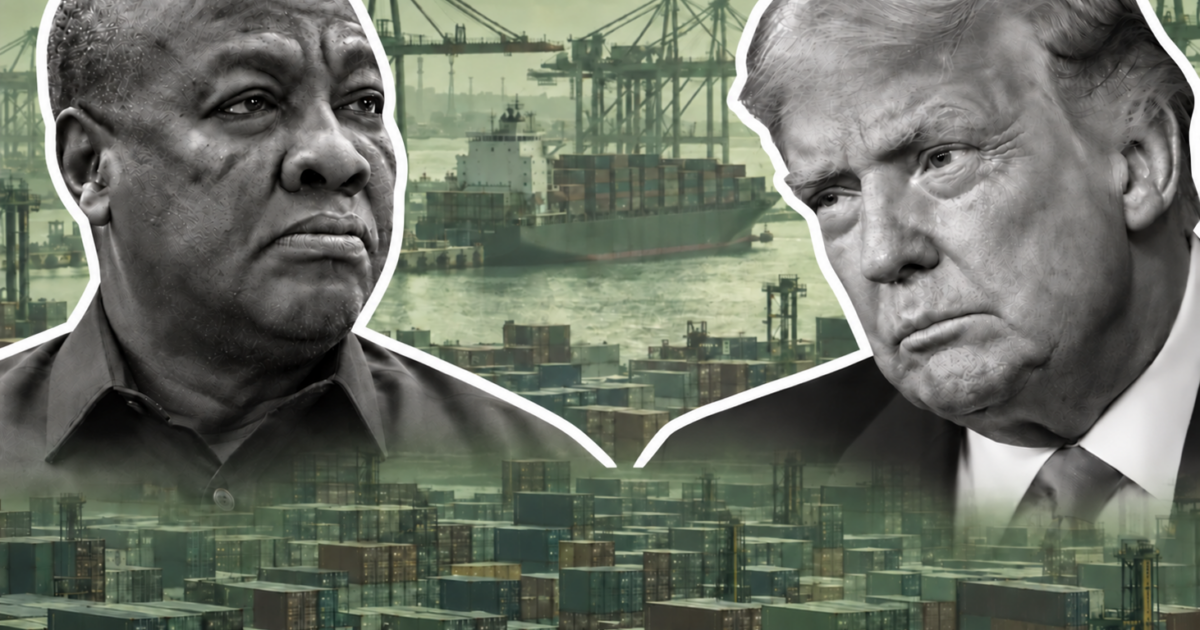
Ghana’s decision to seek BRICS partner status has raised questions about its exposure to US President Donald Trump’s tariff threats, including an additional 10% levy for countries aligning with what the US president calls the grouping’s “anti-American policies” and a separate 100% warning tied to replacing the US dollar.
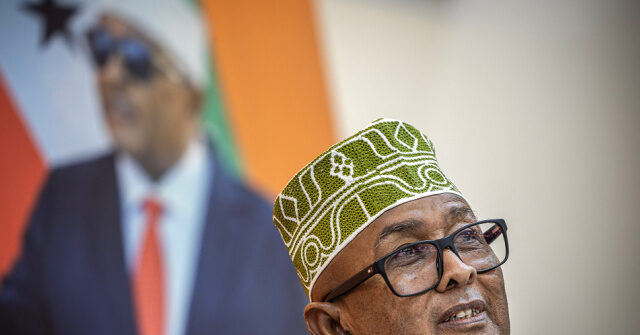
Foreign Affairs Minister Samuel Okudzeto Ablakwa says Cabinet has approved Ghana’s decision to join first as a partner country, with the aim of becoming a full member later.
He said he had officially conveyed the decision to India’s External Affairs Minister, Dr Subrahmanyam Jaishankar, and sought India’s support.
According to Mr Ablakwa, most of Ghana’s international partners have already been informed.
He maintains that Ghana will retain its non-aligned position, with foreign policy guided by the country’s interests rather than allegiance to any particular bloc.
He also revealed that the interest in BRICS predates the current administration.
A report by a ministerial committee established by Cabinet in 2023 recommended that Ghana join the grouping.
The government sees the move as an opportunity to broaden its development partnerships, attract investment and support industrialisation.
Ghana already trades extensively with the grouping.
Four of its five largest export destinations in 2025—the United Arab Emirates, India, South Africa and China—are BRICS members.
Switzerland was the exception.
Ghana's decision to join BRICS comes against the backdrop of Trump’s repeated warnings over BRICS and efforts to reduce dependence on the dollar.
In November 2024, before returning to office, Trump threatened 100% tariffs on BRICS countries if they created a new currency or supported another currency to replace the US dollar.
He repeated that warning after taking office, on January 30, 2025.
In July 2025, he issued a separate threat.
“Any country aligning themselves with the Anti-American policies of BRICS, will be charged an ADDITIONAL 10% tariff.
There will be no exceptions to this policy,” he wrote on social media.
Trump did not explain what would qualify as an “anti-American” policy.
An administration source subsequently told Reuters that the tariff would depend on countries taking such policy actions, rather than apply immediately because of membership.
The two warnings therefore have different conditions.
The 100% threat concerned replacing the dollar, while the later 10% threat referred more broadly to policies Washington considered anti-American.
They do not establish a tariff range automatically applying to countries seeking BRICS membership or partner status.
For Ghana, the dollar question has become more relevant because a new banking arrangement allows businesses to pay Chinese suppliers without first obtaining US dollars.
Bank of Ghana Governor, Dr Johnson....