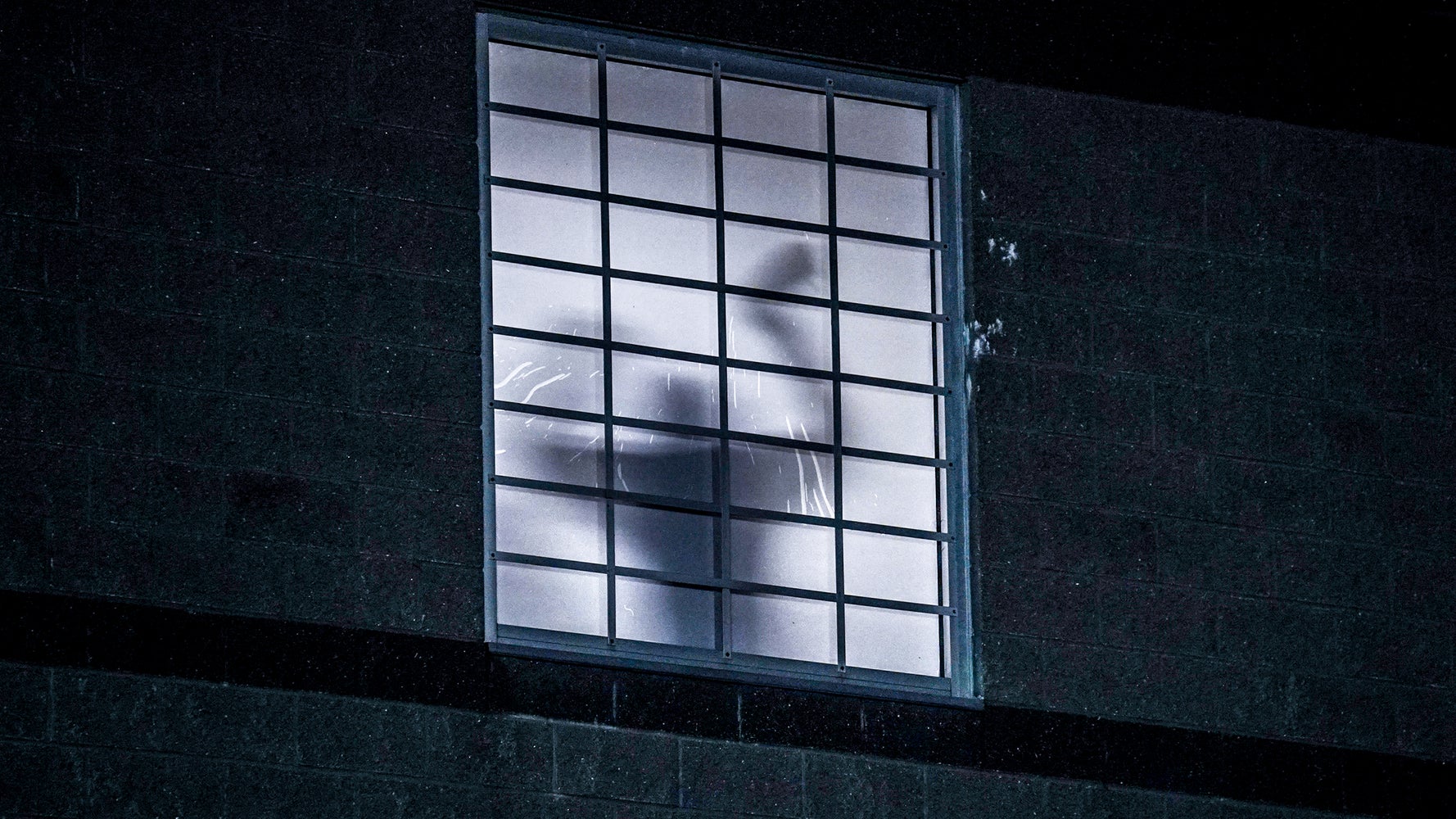
NEWARK, N.J.
— Hang around outside the largest immigration jail on the East Coast long enough, and you will hear a volunteer ring a bell.
“Seven!” one volunteer yelled recently.
“Seven of them!” Guards employed by GEO Group, the corporation that runs Delaney Hall on behalf of Immigration and Customs Enforcement, pushed the chain-link gate aside to reveal seven men who were being released from the facility.
The industrial haze of petroleum storage tanks and waste processing plants hung low in the air.
Trucks whizzed by.
But the men dropped to their knees and kissed the ground, then raised both arms to the sky and wept.
Volunteers brought them water bottles and pointed them to a shaded place to rest, grinning next to the released men in video calls to their family members and, eventually, arranging rides away from the jail.
Anchored by a mutual aid tent dubbed the “Radical Hospitality Zone,” a motley crew of religious groups, immigrant rights organizations and anti-fascist activists has, for over a year, tended to the families ripped from normal life by America’s immigration enforcement system.
They offer food and water near the outdoor waiting area for visitors, toys to keep children entertained, prayer services, guidance on Delaney Hall’s byzantine visitation system, and even clothing that complies with the jail’s strict dress code.
Their goal: “Free them all,” and care for everyone they can.
But things changed a couple of months ago, when detainees in Delaney Hall took charge, launching a hunger and labor strike to demand freedom and justice, drawing protesters to Newark’s remote industrial corridor.
Steps away from the mutual aid effort, crowds have gathered for weeks, heckling the GEO Group staffers and ICE officers behind the facility’s gates, occasionally attempting to block their cars, and clashing with law enforcement operations from three different jurisdictions.
The activists’ chances of bringing down Delaney Hall are slim: The Trump administration is working overtime to expand detention capacity nationwide, and the Newark immigration jail is a key junction in the Northeast.
The fight for freedom has seen brutality against protesters and retaliation against detainees, including hundreds being transferred to faraway facilities.
But the people outside Delaney Hall are not going to abandon their cause.
“I’ve been here when people have been released, and then, two days later, they’re back in line, visiting their friend,” said Sister Susan Francois of the Sisters of St.
Joseph of Peace, one of several organizations behind the mutual aid effort known as Eyes on ICE New Jersey.
“There’s the power of community, which is what made the strike possible at all.” ‘Don’t give up!’ As the men who walked out of Delaney Hall acclimated to the outside world — rinsing their faces with bottled water, re-lacing their shoes — I asked them what they’d experienced inside.
One man, who did not give his name, said he was held for 11 or 12 days.
He spent $400 in commissary during that time, both because detainees were not fed enough and because he suspected some of the meat he was served was pork, even though he had told guards he couldn’t eat that because he is Muslim.
The facilities were dirty and smelled bad, he said.
Another man, Alexander Paredes, said he spent a month and 20 days in the facility.
Treatment of detainees was inhumane, and guards were arrogant and rude, he said in Spanish.
The vast majority of people held at Delaney Hall have no criminal record, and even ICE considers most not to present any security threat.
Paredes said that many people in the jail were arrested while attending immigration appointments that are required for people who want to stay in the U.S.
“I don’t understand it,” he said.
“If we are doing things right and showing up for our appointments, why do they arrest us? If we’re doing the right thing, why don’t they go after the actual criminals and bad people instead?” Delaney Hall was first used for immigration detention under Barack Obama, and then became a halfway house in 2017.
The Trump administration began using it for immigration detention again in 2025, following a contracting process initiated by the Biden administration.
The jail has been a lightning rod since it reopened.
Newark Mayor Ras Baraka was arrested by federal agents there last spring — charges were later dropped — and Rep.
LaMonica McIver (D-N.J.) still faces years in federal prison for allegedly interfering with federal officers during the same protest.
Recently, though, it’s been those imprisoned in Delaney Hall who have been making headlines.
Earlier this year, handwritten letters signed by dozens — or in one case, hundreds — of detainees went public.
Their allegations were detailed and numerous: decaying food riddled with worms, horrid conditions in bathrooms, medical neglect and sexual abuse.
GEO Group did not respond to HuffPost’s request for comment.
DHS largely did not respond to the specific details in this story, or responded using statements it has used for months in response to stories about multiple facilities — such as asserting that ICE jails provide “the best healthcare many aliens have received in their entire lives.” “These claims that there are subprime conditions are false,” an unnamed spokesperson said.
The department claimed there “are no reported food violations” at Delaney Hall, and asserted that all people in its custody are provided with proper meals — “including religious diets” — in addition to water, clothing, bedding, showers, toiletries, “comprehensive medical care” and opportunities to communicate with family and lawyers.
It denied detainees were beaten or abused, and said ICE and GEO Group had “zero tolerance towards all forms of sexual abuse,” though it did not address the report that several female detainees have made sexual assault complaints against a specific Delaney Hall guard.
And DHS repeated the claim that “It is categorically false we would pressure someone to self-deport.” That statement is not true, as HuffPost has reported.
On May 22, people detained in the facility launched a hunger and labor strike.
They demanded freedom — first for the elderly, young and medically vulnerable, but ultimately for everyone — a visit with the governor, an end to the coercion to “self-deport,” and due process in their immigration cases.
“We appreciate the support of everyone who is protesting outside the facility,” read one unsigned dispatch from “the detainees at the Delaney Hall Detention Facility” during the strike.
“We want you to know that you give us the strength and determination to keep going.
Please, DON’T GIVE UP!” The response from the jail’s enforcers was immediate.
Guards released chemical....
)