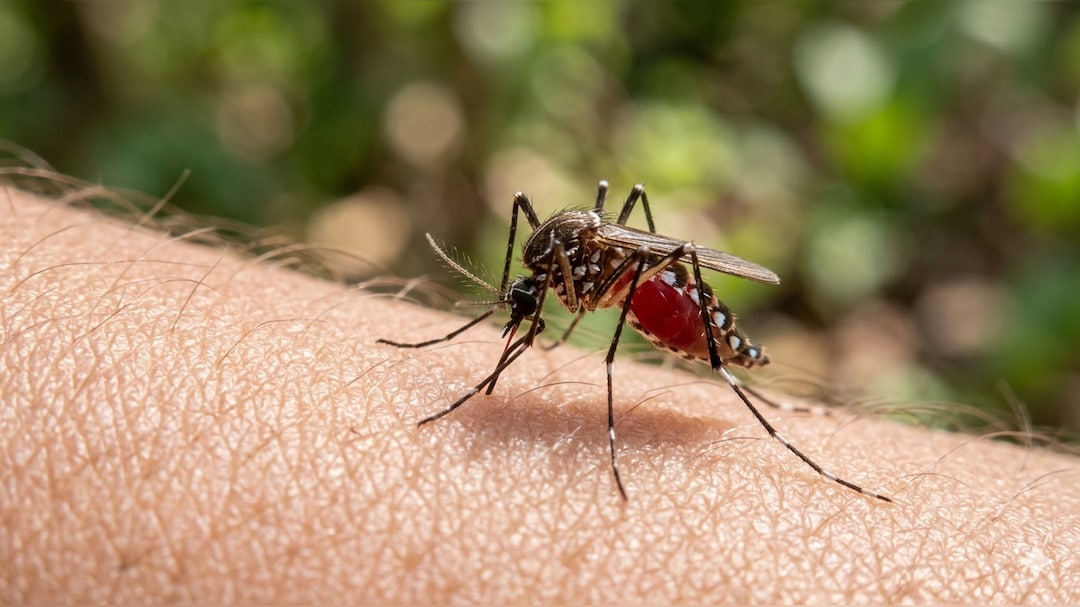
Google is pushing ahead with an ambitious disease-prevention initiative that could transform how mosquito-borne illnesses are tackled in the US.Under plans currently awaiting federal clearance, up to 32 million mosquitoes carrying beneficial bacteria would be released across California and Florida over the next two years.
The strategy is intended to reduce the risk of infections linked to mosquitoes, including dengue fever, West Nile virus, Zika, chikungunya, yellow fever and St Louis encephalitis.US regulators are currently assessing the application, with the Environmental Protection Agency inviting feedback from the public until June 5 as part of its review process.Away from its core technology business, Google has spent years developing tools to combat diseases spread by mosquitoes through its little-publicised Debug initiative.
The project combines expertise in biology, robotics and AI to target insect populations responsible for transmitting infections around the world.ALSO READ: Eli Lilly's Retevmo Cuts Lung Cancer Recurrence Risk By 83% In Phase 3 TrialHow Will The Disease-Prevention Initiative Work?Last year, the initiative applied for regulatory approval to deploy mosquitoes infected with a particular form of Wolbachia pipientis.
When affected males breed with wild females, the resulting eggs fail to hatch, a method designed to drive....


)