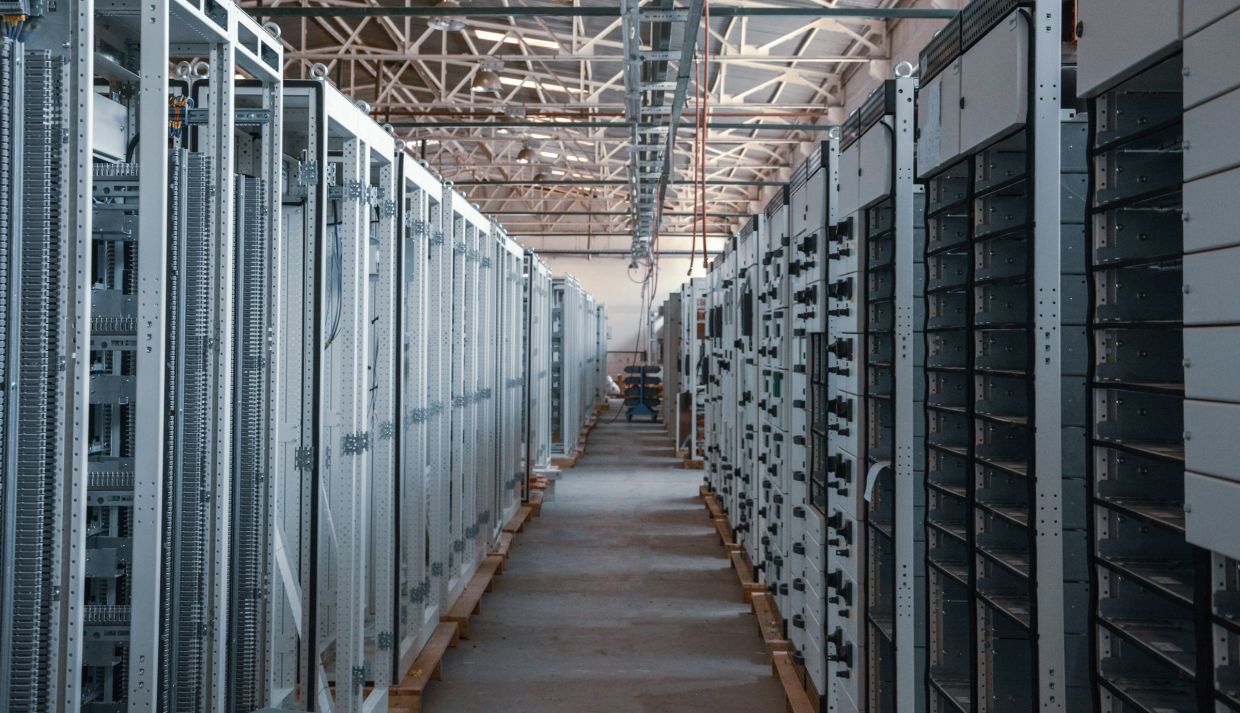
PARIS: Governments worldwide are pushing to attract AI computing infrastructure, but must grapple with data centres' demands on resources and mounting local opposition.
The massive buildings stuffed with specialised chips hungry for power and water have sparked objections from locals around the world.
Voter concerns have sparked action from local and national governments, while American activists have called for nationwide demonstrations on July 18.
Here are some key points to know about the data centre debate: What are the objections? Opposition to data centres from the US to India tends to focus on three major themes: land, power and water.
Data centres can occupy vast swathes of land, with Meta's Prometheus site in Ohio measuring "a significant part of the footprint of Manhattan".
In countries with weaker property protections, some have complained of being shouldered aside in favour of tech construction – including Indian farmers in the southern state of Andhra Pradesh, as tech news outlet Rest of World reported in April.
Meanwhile data centres filled with top-of-the-line chips can draw the energy of a city.
At 630 megawatts according to industry tracker Epoch AI, Prometheus is equivalent to around half a million American family homes.
Bloomberg News found in a September 2025 analysis that electricity could be as much as 267% more expensive in areas of the US with high concentrations of data centres.
And companies' off-grid generators – such as SpaceXAI's gas turbines at its Colossus facility in Memphis – have drawn complaints of their own.
The NAACP campaign group in April filed a legal case alleging the turbines are harming mostly Black neighbourhoods with pollutants.
As the chips get hot while they work, data centres need cooling – mostly using water.
While the absolute amount of water used is small – around 0.3 percent of total supply in the....