The words we hear in our childhood rarely pass through our lives unnoticed.They linger like a cloud in the mind, reminding us — every time the rain of their conversations falls — of the thorns of negativity.
For years, that narrative persisted in the minds of many across the region we share in language and faith.
Yet today it has become little more than a passing summer cloud, reminding us of the pessimism that once surrounded us and of what has been achieved despite it.From the gates of school in the early 1990s — without even going further back — many teachers repeated words of discouragement more often than they encouraged their students.
They diminished themselves before discouraging their pupils.
Over time we discovered that these words were not fleeting remarks, but inherited ideas deeply rooted in their societies, echoed in newspapers, books, and cafes, planting a negative narrative about identity and the future in the minds of generations.We do not blame them entirely.
They were products of a period shaped by competing ideologies — leftist, nationalist, and Islamist — alongside successive wars that exhausted the region.
But the question that imposes itself today is simple: Has the world not changed?Over the past three decades, the region has witnessed transformations that reshaped many assumptions.
We saw an Arab Gulf state occupied within 24 hours in the early 1990s when the Iraqi regime invaded Kuwait.
Sadly, some voices across the region even sided with the aggressor.
Then came the 2003 Iraq war, exposing the scale of instability the region was living through.
Yet the Gulf’s development did not begin in those moments; it had already started years earlier through an early vision to build modern states, diversify economies, and invest in people.Narratives trapped in the pastAs time passed, this path expanded while certain narratives elsewhere remained trapped in the past, unable to read the transformations unfolding before them.
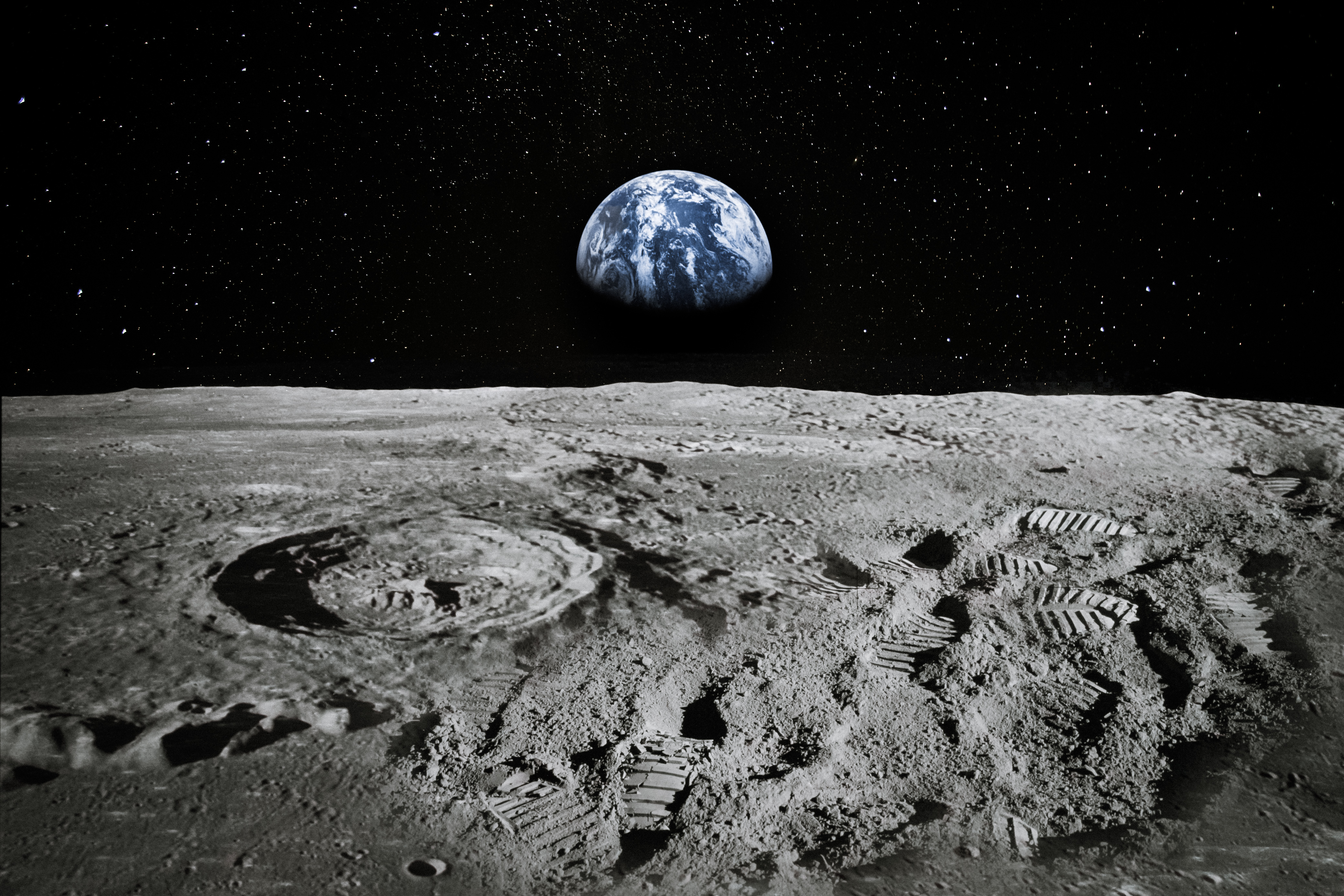
For years, the same claim was repeated: that the Gulf was backward while the world had already reached space.
Ironically, Gulf states today are part of the global race in science, technology, and even space exploration..UAE: Nation-building is vision, not experimentation.
They asked: Why build airports, ports, railways, and towers?But these projects were never mere architectural displays, as some imagined.
They were economic and strategic visions.
Today, Gulf cities — Dubai foremost among them — have become global hubs for trade, tourism, and investment, with people from around the world lining up to live, invest, and build their futures there.They insisted that oil was the Gulf’s only tool.
Yet reality changed.
In several economic cities across the region, oil now represents only a limited share of activity, while tourism, services, and knowledge-based industries have become key engines of growth.More questionsSo what economy are they still talking about?What reality do they still imagine?Are they prisoners of outdated historical images?They once claimed to hold the monopoly on knowledge and enlightenment.
But the compass has shifted.
Today, the Gulf hosts universities ranked among the world’s best, and its educational environments attract students and researchers from across the globe.
The medical sector has also advanced significantly, with Gulf cities becoming destinations for specialised treatment..When geography loses its meaning: The UAE and the redefinition of global sovereignty.
On the humanitarian front, Gulf states — particularly the United Arab Emirates — have built a different model, one rooted in hope and humanitarian action.
Their aid and development programmes have reached East and West alike, often becoming among the largest sources of support for countries in the region itself and for major causes, foremost among them the Palestinian cause.Yet some still insist on ignoring....