p>For over a decade, Karnataka has collected caste data without establishing a transparent, democratic process for interpreting its significance.
On July 16, BJP MLC Keshava Prasad called for the latest Social and Educational Survey report to be tabled in the legislature and debated for three days.
While the demand is politically motivated, the underlying principle is valid: a report with the potential to reshape reservations, welfare priorities, and political representation should not remain solely under government control..The state’s prior experience underscores this necessity.
In 2015, a comprehensive socio-economic and educational survey covered approximately 5.98 crore individuals.
Successive governments avoided public engagement with the findings.
The Jayaprakash Hegde-led Backward Classes Commission submitted its report in February 2024.
Following a Cabinet review in 2025, the government commissioned a new survey.
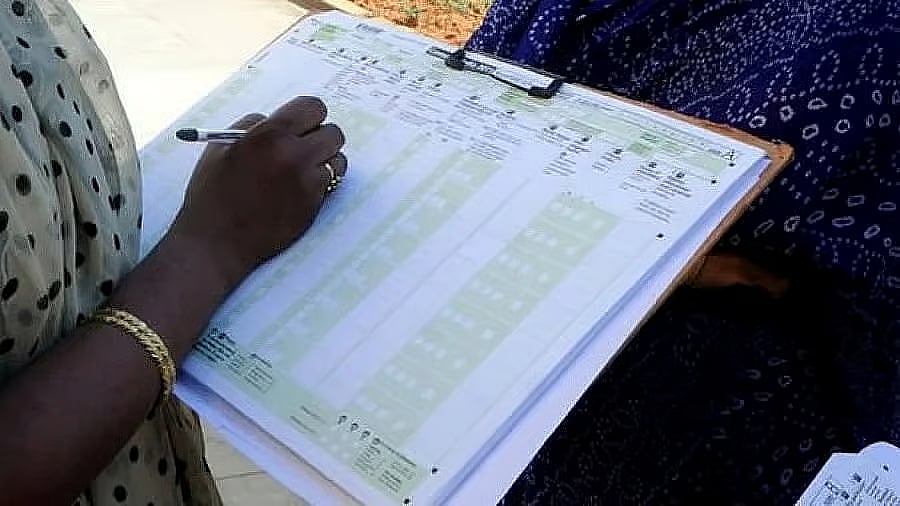
The survey commenced on September 22, 2025, utilising an estimated budget of Rs 420 crore.
The Karnataka State Commission for Backward Classes submitted its report to then Chief Minister Siddaramaiah on May 27, 2026.
However, public knowledge remains shaped more by political claims and selective leaks than by an official release.
The government’s response that the Cabinet will review and decide perpetuates a cycle of data collection, concealment, and speculation..Social justice cannot remain on hold.In the absence of an official report, community organisations mobilise around unofficial figures, political parties disseminate data that supports their interests, and rumours gain the status of statistics.
Dominant communities fear underrepresentation, smaller communities fear erasure, and marginalised groups suspect that unfavourable findings will be suppressed.
Each unreleased report thus becomes a focal point for competing anxieties..The survey also presents limitations that warrant public examination.
Enumeration was voluntary following a Karnataka High Court directive that citizens could not be compelled to participate and that collected information must remain confidential.
Bengaluru, in particular, posed significant challenges for enumeration.
At one point, statewide household coverage reached approximately 85%, while Bengaluru’s coverage lagged considerably; subsequent extensions improved participation, yet a substantial segment remained uncounted or withheld information..No comprehensive dataset is without flaws.
However, these....