Midnight Ceasefire, Morning Unease: Lebanon at a Fragile Pause When the clock in Beirut chimed midnight, the city exhaled a curious mix of relief and disbelief.
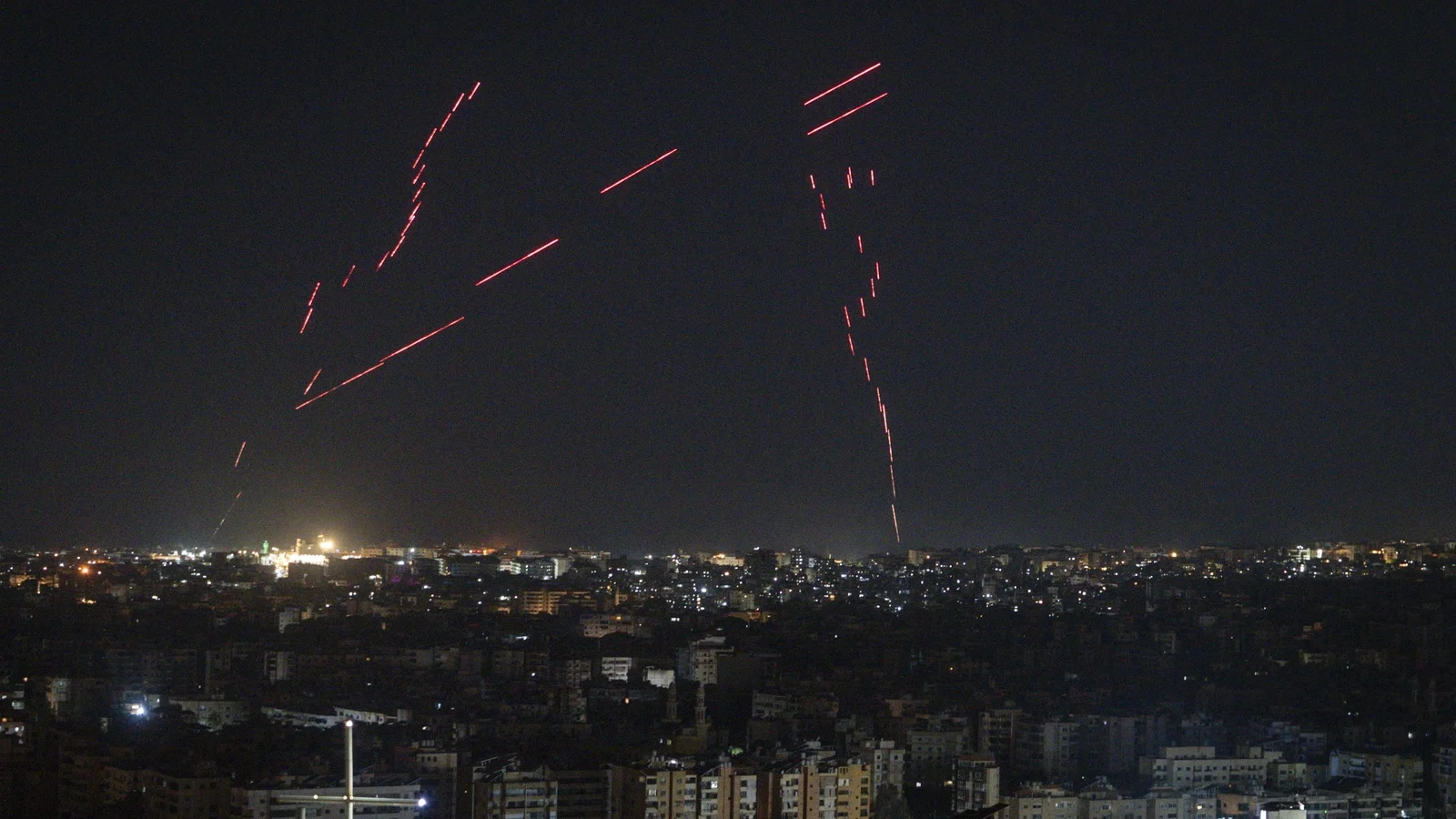
In some neighborhoods, people poured into the streets, firing celebratory rounds into the night — a ritual that is part grief, part joy.
For others, the sound was another reminder that peace can feel alarmingly thin.
“We lit a candle and then the fireworks began,” said Mariam Haddad, 47, who lives in the Verdun district.
“For a moment I thought we might sleep.
But the children are afraid.
When a shot cracks in the air, you do not forget what it can mean.” The 10-day truce between Lebanon and Israel, set to begin at midnight, has been billed as a breathing space — a corridor for diplomacy, an opening for negotiations that Washington hopes will widen into something much larger: a negotiated thaw with Iran.
Yet within hours of the ceasefire taking effect, the Lebanese army reported violations, alleging intermittent shelling of southern villages and urging residents to stay away from front-line towns.
On the Ground: A Cautious Return — or Not In the towns south of the Litani River, families have been living under a revolving door of orders and warnings.
“We were told not to come back,” said Samir Khalil, an olive-farmer from the border region who has been sleeping in his cousin’s courtyard in Sidon.
“My trees are still there, most likely.
But what is the point of returning to a house that might not be there tomorrow?” Lebanon’s official news agency and the army both reported that shooting and artillery fire continued in some areas after midnight — machine-gun bursts, the dull thump of distant shells.
The Israeli military, for its part, warned civilians not to move south of the Litani, saying its forces were still deployed and prepared to respond to what it described as residual militant activity.
“We will not allow armed groups to reestablish positions that threaten our civilian population,” a military spokesperson wrote on social media.
“This pause does not mean complacency.” Diplomacy on Fast Forward: Washington, Tehran, Islamabad Even as Beirut grappled with uncertainty, the White House signaled cautious optimism.
President Donald Trump told reporters that talks with Iran were “very close” to a deal, describing Tehran’s offer as a pledge to refrain from developing nuclear weapons for at least two decades.
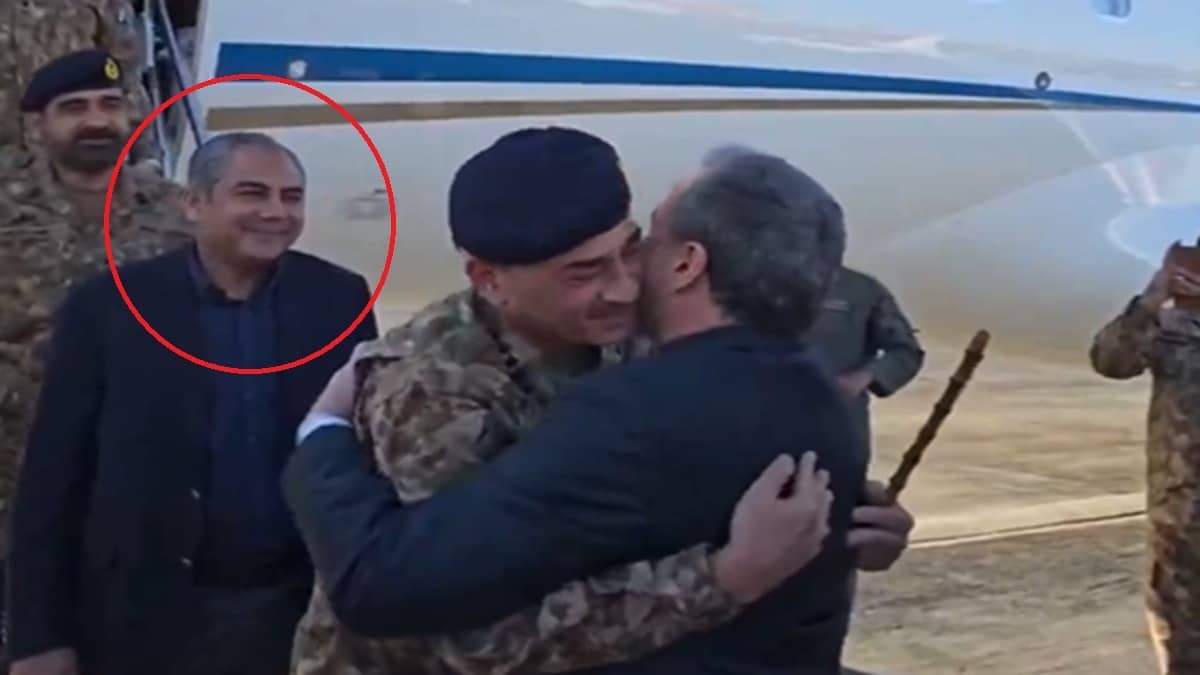
The sound of diplomacy — meetings, shuttle envoys, a Pakistani mediator flying between capitals — seemed to move almost as rapidly as the headlines.
“If we reach an agreement, it changes everything,” a senior U.S.
official involved in the negotiations said on condition of anonymity.
“We can reopen shipping lanes, calm markets, and remove a major trigger for regional escalation.” That trigger is the Strait of Hormuz, through which roughly one-fifth of the world’s seaborne oil passes.
Closure of that choke point in recent weeks contributed to a historic shock in energy markets and forced multilateral institutions, including the International Monetary Fund, to warn that a prolonged conflict could drag the global economy into a downturn.
What’s Being Bargained For At the heart of the discussions are age-old, stubborn dilemmas: how long any nuclear restrictions should last, what to do with Iran’s stockpiles of highly enriched uranium, and how — and when —....