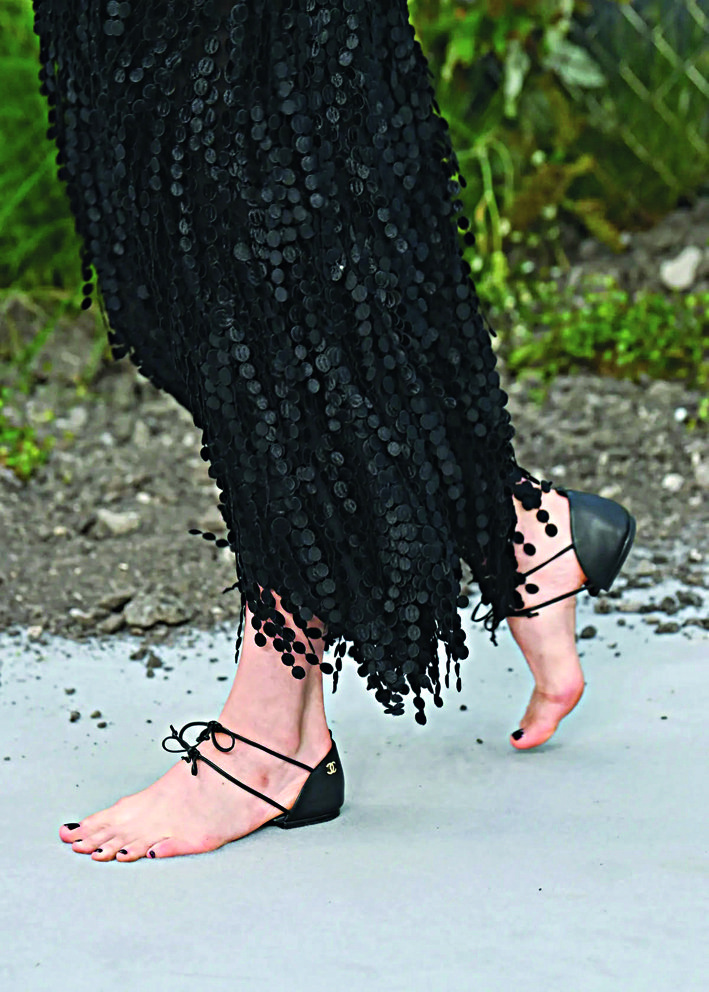
For decades, the fashion industry treated footwear as a high-stakes compromise: style, structure, and soaring heels on one side; clunky, overly padded orthopaedic sneakers on the other.
Then came the minimalist counter-revolution.
What began as a niche subculture of toe-shoe enthusiasts and marathon runners has strutted straight onto the high-fashion runway and into luxury streetwear collections.Minimalist footwearToday, minimalist footwear featuring ultra-thin soles and broad, fan-shaped toe boxes is turning up everywhere from fashion week front rows to boutique gym studios.
The aesthetic pitch sounds undeniably alluring: free your feet from the rigid, narrow coffins of modern footwear and return to an effortless, grounded silhouette.
But beyond the trendy gorpcore aesthetic and natural lifestyle branding, what actually happens to your body’s biomechanics when you strip away the cushioning? Is ditching traditional shoes genuinely good for your health, or is it just another passing wellness-meets-fashion trend?The Danger of the GagTo understand the barefoot movement, you have to look at how conventional footwear alters natural posture and gait.
Standard dress shoes and trendy sneakers typically feature two main design choices that disrupt body alignment: a raised heel, which tilts the center of gravity forward, and a tapered toe box that squeezes toes together like sardines in a tin.Barefoot or minimalist footwear flips this script by focusing on a zero-drop platform alongside an expansive toe box.
A zero-drop design means the heel and ball of the foot sit at the exact same height off the ground, restoring natural ankle alignment and pelvic posture.
Meanwhile, a wide toe box allows the big toe to splay fully, acting as an anchor and natural stabilizer with every step.The BiomechanicsWhen you remove artificial arch support, your foot is forced to do the heavy lifting itself.
Clinical research shows that this structural shift pays off in raw physical strength.
Controlled studies examining minimalist footwear transition revealed that participants experienced up to a 57% increase in intrinsic foot muscle strength over six months.
Essentially, treating your feet like active foundations rather than passive passengers turns them into....