From the level of inflammation in my body to the degree of stress on various organs, I was ageing faster than I should be.
A trip to Hooke, a London-based longevity clinic, and consultations with experts in nutrition and ageing science, soon revealed that the major problem was my diet.
I was regularly eating an excess of 600 calories per day, far more than my body required.
Also, while only marginally overweight, I had accrued dangerously high levels of visceral fat, the particularly damaging fat that accumulates among organs like the liver and which contributes to chronic inflammation throughout the body.
This was the beginning of my three-year investigation into the connection between what we eat and how well we age.
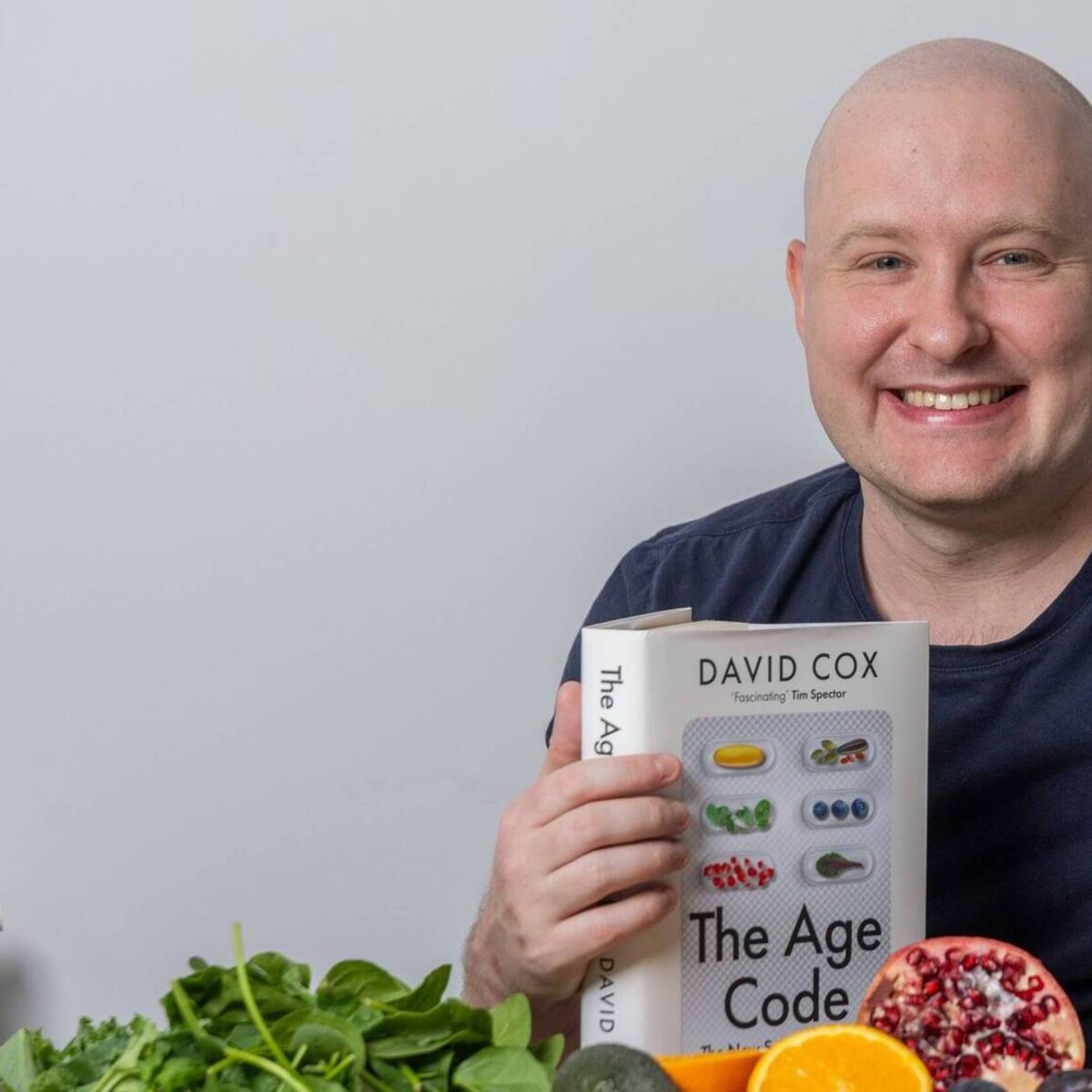
My findings are detailed within a new book, The Age Code, which is being published next week.
Along the way, I interviewed several hundred of the world’s leading scientists in the field of ageing.
Most agreed that the changes we’ve often assumed are the natural consequences of ageing — loss of energy, declining muscle mass, midlife weight gain, and the gradual deterioration of our cognitive faculties — are not inevitable.
Instead, they are strongly influenced by lifestyle, particularly diet.
In the book, I describe this as ‘degenerative ageing’ – age-related changes that are not solely programmed in our DNA, but are shaped by how we live.
Other cultures show us how things can be different.
Take the Tsimane tribe in the Bolivian jungle.
Ageing experts who have tracked this indigenous community for decades have reported few signs of inflammatory illnesses, such as rheumatoid arthritis, while tribal members in their 70s and 80s show none of the expected signs of brain or muscle atrophy.
Biologically, their hearts appear to be decades younger.
Yet in Ireland, and in many other Western countries, diseases like bowel cancer and inflammatory conditions are not only on the rise, but occurring at a faster rate in younger people.
This is a sign of accelerated ageing.
So why is this happening? It’s linked to what I call the processed-whole food balance.
While the Tsimane, for example, consume an entirely whole-food diet, consisting of lean meat and at least 40g of fibre per day from fruit, vegetables and legumes, research suggests that ultra-processed foods comprise nearly half of the typical Irish person’s diet.
Scientists describe this shift towards highly processed foods in recent decades as a ‘nutritional transition,’ and, when it comes to ageing, we’re increasingly learning about the consequences.
Because processed foods are softer and more easily digestible, our bodies absorb more calories from them, which means we’re more likely to consume more energy than we need, which is then stored as visceral fat.
Not only that, but these foods can be addictive, drawing us into a pattern of eating from the moment we wake until we go to sleep.
Pathways in each of our cells, which I call the ‘longevity switch’, respond to eating by fuelling cell growth, but during periods without food, they promote repair.
By spending much of our waking time eating, this ‘longevity switch’ may be driving continual cell replication, which could increase our vulnerability to diseases, such as cancer, as well as creating more damaging visceral fat cells.
The power of repair There’s much we can do to correct this cycle and age better, whether you’re in your 30s, like me, or even in your 80s and 90s.
Ageing is, at its core, a....