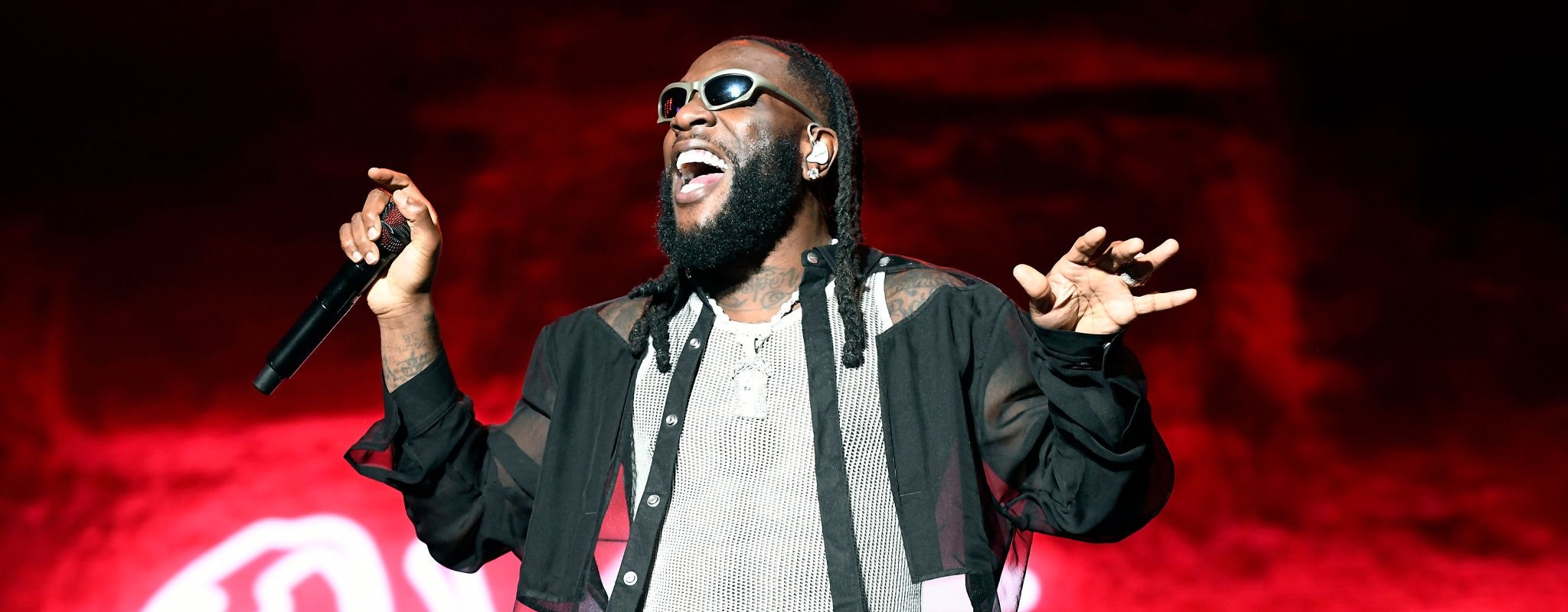
It was very early on a Saturday morning, when most Americans were still enjoying the quiet start of the weekend, that LeBron James slipped a small promotional teaser onto social media.
One of the greatest and most famous athletes in history is also a sprawling business empire, with an estimated net worth of $1.4 billion.
If there is one thing LeBron generally does not do, it is announce a new venture in a whisper.
This time felt different.
Only three years ago, James was criticizing the explosion of sports betting around the NBA.
Now he was teasing a partnership with Polymarket, a prediction-market platform valued at about $20 billion and backed by investors including Donald Trump Jr.
The exact financial structure of James’ arrangement with Polymarket remains unclear.
It has not been disclosed whether he is investing in the company or serving only as a public face for it.
Either way, the symbolism is hard to miss.
Prediction markets describe themselves in carefully chosen language.
On Polymarket, users do not technically “bet.” They “predict.” They can wager, or predict, virtually anything, from celebrity fashion choices to the outcome of wars and geopolitical crises.
The distinction is important for regulators and tax authorities.
It also sounds considerably more respectable than “gambling.” But to many sports fans, the difference is increasingly academic.
James’ move comes only months after another NBA superstar, Giannis Antetokounmpo, became a shareholder and brand ambassador for Kalshi, another giant prediction-market platform.
Days before that partnership was announced, a Kalshi market involving roughly $23 million had been built around whether Antetokounmpo would be traded from the Milwaukee Bucks.
That did not prevent him from becoming a partner in a platform where customers could speculate on his professional future, even though few people on Earth would possess better information about that future than Antetokounmpo himself.
NBA rules permit players to own limited stakes in gambling businesses, and both stars are subject to strict prohibitions on betting on NBA-related events themselves.
Legally, that may settle the question.
Ethically, it does not.
When two of basketball’s biggest stars, global role models followed by millions of children, become commercially linked to businesses whose profits depend on people putting money on uncertain outcomes, the conflict is difficult to ignore.
And it is only the clearest symbol of a much bigger transformation.
From sports’ greatest taboo to a $167 billion machine Americans legally wagered $166.94 billion on sports in 2025, an all-time record.
More than 95% of that betting was conducted online.
Sportsbooks generated nearly $17 billion in revenue from those wagers.
The scale is staggering.
Americans now put vastly more money into sports bets than they spend at movie theaters, on recorded music, books and museum admissions combined.
For generations, gambling was treated by professional sports leagues as an existential threat.
NFL Commissioner Roger Goodell once answered a question about the greatest threat to the integrity of the game with one word: gambling.
The reason was obvious.
Sports depends on trust.
Fans must believe the players are trying to win, the referees are trying to officiate fairly and the result has not been manipulated by someone with money riding on it.
For decades, leagues treated anything that threatened that assumption with zero tolerance.
Careers were destroyed over gambling scandals.
Players, coaches and officials understood there were lines that simply could not be crossed.
Then the Supreme Court opened the door to widespread legalized sports betting in 2018.
Less than a decade later, the relationship has been transformed.
Since legalization began spreading across the country, Americans have wagered more than half a trillion dollars on sports.
For the leagues, gambling went from contaminant to revenue stream.
For fans, the sportsbook moved from Las Vegas into the smartphone.
And for a generation of young Americans, the line between investing and betting is becoming increasingly difficult to see.
A recent Betterment survey found that 52% of Gen Z investors had redirected money originally intended for investments into sports betting during the previous year.
More than a quarter said they considered sports betting part of their long-term financial strategy.
Research on household finances has found the consequences extend beyond the money directly lost on wagers.
As online sports betting expands, investment deposits decline, while financially vulnerable households show increased credit-card debt, reduced available credit and more frequent overdrafts.
In other words, this is not simply entertainment spending.
For some households, betting is beginning to compete directly with saving for the future.
And it starts young.
Research by Common Sense Media found that more than one-third of American boys between 11 and 17 had participated in some form of gambling during the previous year.
Among 11-year-olds, the figure was already close to one-third.
The legal loophole of the prediction market Traditional sportsbooks are not particularly happy about the rise of prediction markets such as Kalshi and Polymarket.
The reason is not moral outrage.
It is competition.
Prediction markets occupy a regulatory space very different from conventional sportsbooks.
Kalshi and Polymarket operate through the federal commodities-regulation system.
Legally, customers are purchasing event contracts, a form of financial derivative, rather than placing a traditional sports wager.
That distinction can allow prediction markets to operate in places where ordinary sports betting remains prohibited and to avoid parts of the state regulatory and tax structure governing sportsbooks.
Traditional betting companies pay state and federal....