When Sam Altman was briefly fired, then rehired as OpenAI CEO in 2023, the company’s board of directors had fretted over what little they knew about his personal investments and whether they posed potential conflicts.
A newly formed board pledged to fix the problem, but it never went away.
As OpenAI, the maker of ChatGPT, hurtles toward a planned initial public offering this year, valued at around $850 billion, the question persists—how to determine whether decisions serve the company’s best interest or Altman’s.
He recently asked OpenAI to lead a funding round for Helion after the nuclear-fusion startup fell behind on promises of a breakthrough energy source and began to run short on cash.
Altman is one of Helion’s largest investors, and a sizable chunk of his net worth is tied up in the company.
Altman also sought OpenAI backing for Stoke Space, a rocket-maker aiming to challenge Elon Musk’s SpaceX.
Altman is a shareholder through Hydrazine, his venture-capital-firm- turned-family-office, according to people familiar with the matter, financial ties that haven’t previously been reported.
Neither investment currently represents a core business for OpenAI, which recently told employees the company needs to cut back on side projects and focus on addressing growing competitive pressure.
OpenAI’s lead in the AI race is slipping after spending years as Silicon Valley’s darling startup.
Altman, who holds no direct equity in the company, has unloaded many of his managerial responsibilities.
Some initiatives he previously championed, including the video-generation app Sora, have been rolled back.
OpenAI’s leaders and largest investors say they support Altman, crediting him with the company’s success.
Yet some shareholders have begun to privately question whether he should lead OpenAI through the turbulence of going public and have floated board chair and former Salesforce co-CEO Bret Taylor as a potential successor, said people familiar with the matter.
“I have the good fortune to see every day why Sam is so uniquely qualified to be leading this company as we move into our next chapters,” Taylor said in a statement.
“Am I excited to be a public-company CEO? Zero percent,” Altman said on a podcast in December.
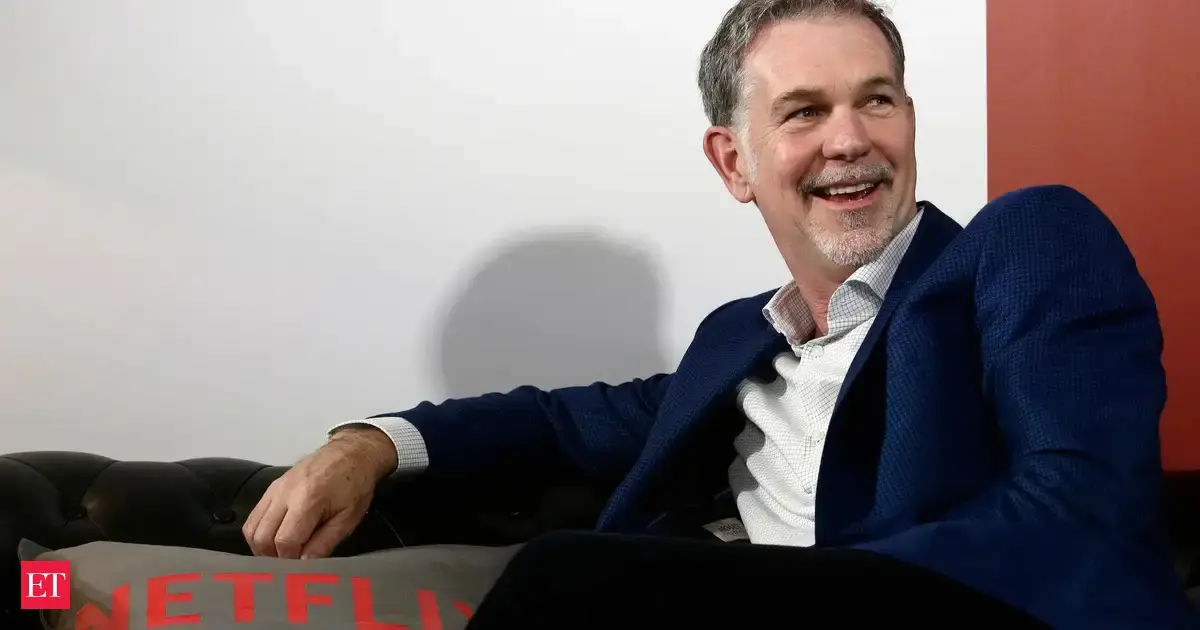
“Am I excited for OpenAI to be a public company? In some ways I am, and in some ways I think it’d be really annoying.” View full Image Sam Altman at an OpenAI office in San Francisco.
‘I love it’ Altman ran the venture firm Y Combinator before becoming OpenAI CEO and used that role to build a personal investment portfolio totaling hundreds of startups, a scale rivaling large venture firms.
Some of those companies have since struck lucrative deals with OpenAI, enriching Altman.
He has pledged his startup shares as collateral in a line of credit with JPMorgan, which he uses to invest into other companies, the Journal has reported.
The net worth of many of the wealthiest tech titans, from Musk to Mark Zuckerberg, is tied up in shares of the companies they run, which are often disclosed in public filings.
Altman’s finances are comparably opaque, making it difficult to know how his investments might influence decisions he makes at OpenAI.
Public company boards typically bar top executives from taking significant stakes in outside ventures, and they award them with generous compensation packages, including equity shares, that are tied to future stock performance.
The idea is to make sure they are financially motivated to advance the company.
In a quirk that dates back to OpenAI’s roots as a nonprofit, Altman never received direct equity in the company, instead receiving a salary of $66,000 in 2024, the most recent year for which data is available.
“I’m doing this because I love it,” he said at a 2023 Senate hearing on AI regulation.
Altman’s potential conflicts of interest contributed to his brief ouster as chief executive in November 2023.
OpenAI’s board of directors said at the time that he hadn’t been “consistently candid” in his communications.
Some directors who fired Altman felt the lack of startup disclosures made it impossible to understand how he might personally benefit from deals he pursued on behalf of OpenAI, The Wall Street Journal previously reported.
After his reinstatement as CEO, a newly formed board said it created an audit committee to review potential conflicts involving directors and officers, including Altman.
The board created a strengthened conflict-management policy but never disclosed its details.
Helion hype Helion claims its fusion technology is close to producing cheap, abundant energy for the world, and Altman has been a shareholder since 2014.
Altman joined a funding round the company announced in January 2025 that valued Helion at $5.4 billion.
He asked SoftBank, which was in the middle of negotiating a $40 billion investment in OpenAI, to participate in Helion’s financing, according to a person familiar with the discussions.
That resulted in a deal last year, which SoftBank....