Collaboration targets recovery of battery grade graphite and critical minerals from waste streams, including textiles and IT hardwareCombines Amazon AI capabilities with U.S.
Department of Energy materials science to reduce reliance on importsAdvances circular economy strategies tied to U.S.
industrial policy and national security priorities A new public private collaboration between the U.S.
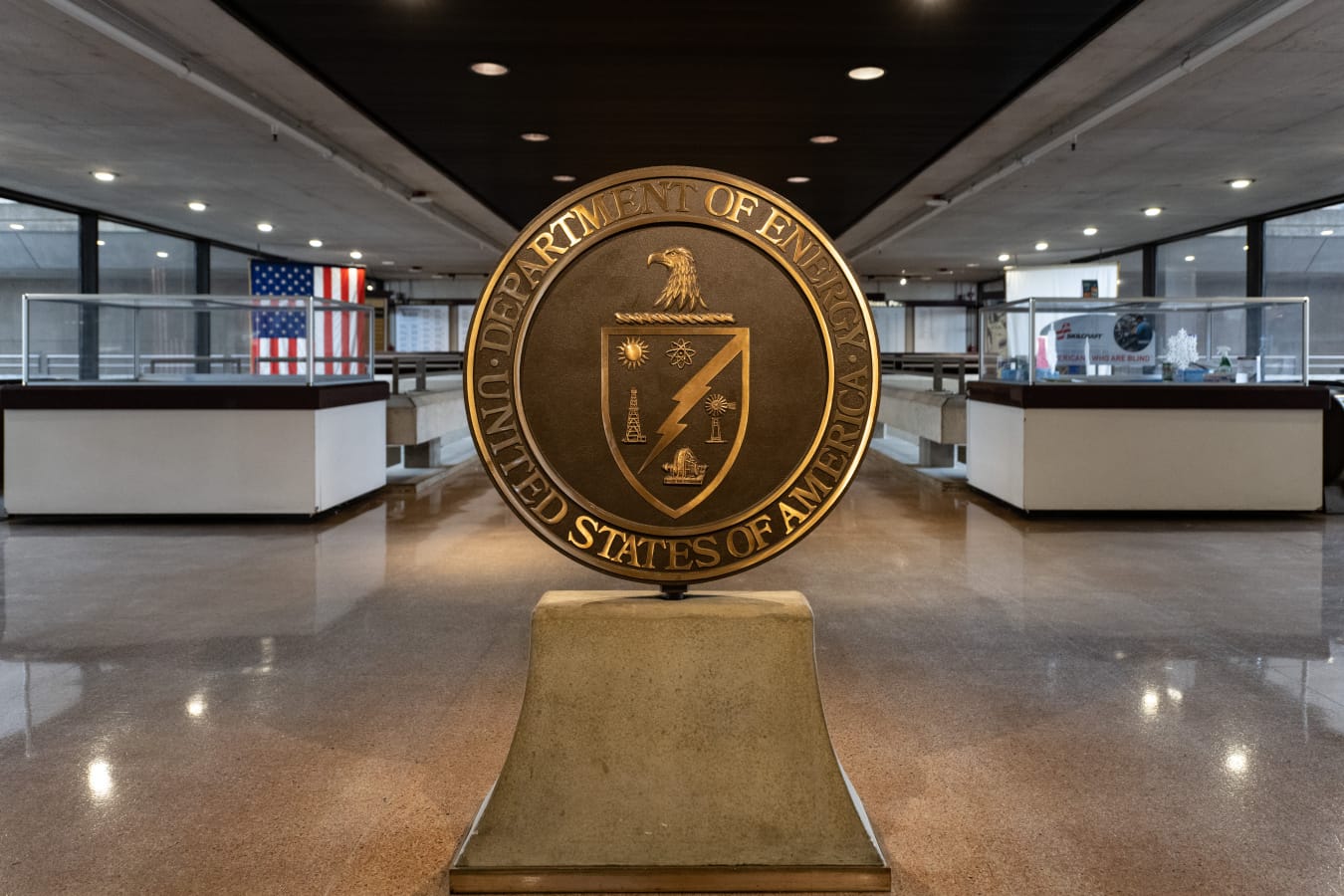
Department of Energy’s Ames National Laboratory, the Critical Materials Innovation Hub, and Amazon is targeting one of the most pressing vulnerabilities in the global energy transition: access to critical materials.
The initiative focuses on recovering and recycling essential minerals and materials used in batteries, electronics, and clean technologies.
By combining advanced materials science with artificial intelligence and large scale logistics, the partnership aims to reduce waste while strengthening domestic supply chains.
The effort sits squarely within broader U.S.
industrial policy priorities, where securing access to critical minerals has become both an economic and national security imperative.
Turning Waste into Strategic Resources At the center of the collaboration are two pilot initiatives designed to unlock new domestic sources of high-value materials.
The first explores converting post-consumer textiles into battery-grade graphite.
Discarded clothing, often treated as waste, could become a viable feedstock for energy storage materials.
This aligns with the Department of Energy’s Genesis Mission, which seeks to extract critical materials from waste streams rather than relying on imports.
The second initiative focuses on recovering minerals such as gallium from end-of-life IT hardware.
As demand for semiconductors and advanced electronics accelerates, these materials are becoming increasingly strategic.
Amazon Web Services will contribute its expertise in supply chain systems and physical AI, while researchers at the Critical Materials Innovation Hub bring deep knowledge in mineral recovery technologies.
“At scale, the recovery of critical minerals from end-of-life technologies and textile waste has the potential to transform our domestic critical materials supply chains,” said Assistant Secretary of Energy Audrey Robertson.
“This pioneering work, made possible by an exciting new partnership with Amazon, supports the Trump Administration’s efforts to reduce our reliance on foreign imports and strengthen our national security.” Scaling Innovation from Lab to Industry The collaboration reflects a broader shift in how innovation is being deployed.
Rather than remaining in research environments, materials....