South Africa’s energy transition is an exciting new chapter! The key question is whether the market can successfully adopt and implement these new rules.
South Africa’s energy transition is no longer a question of policy intent.
The real question is whether the market can make new rules work in practice.
Regulatory reform has opened the electricity grid to private participation, marking a significant shift in how power can be generated and traded.
But for Independent Power Producers (IPPs), access on paper does not automatically translate into real-world access.
The ability to reach multiple buyers, transact efficiently and get paid accurately is fast becoming the next defining challenge.
IPPs are now firmly embedded in South Africa’s energy future, and selling power to a single offtaker works well for mining houses and large industrial customers.
However, this one-to-one model is reaching saturation: around 80% of the 5,700 megawatts (MW) currently under construction is already contracted, leaving the remaining 6,372 MW of projects in development at least 24–36 months from delivery and increasingly constrained by grid capacity, with no remaining capacity in key provinces.
To expand market access and serve smaller-demand customers, IPPs will need to shift toward one-to-many trading models, overcoming the operational, commercial, and settlement complexities that have so far limited broader participation.
This is where multilateral wheeling comes into play.
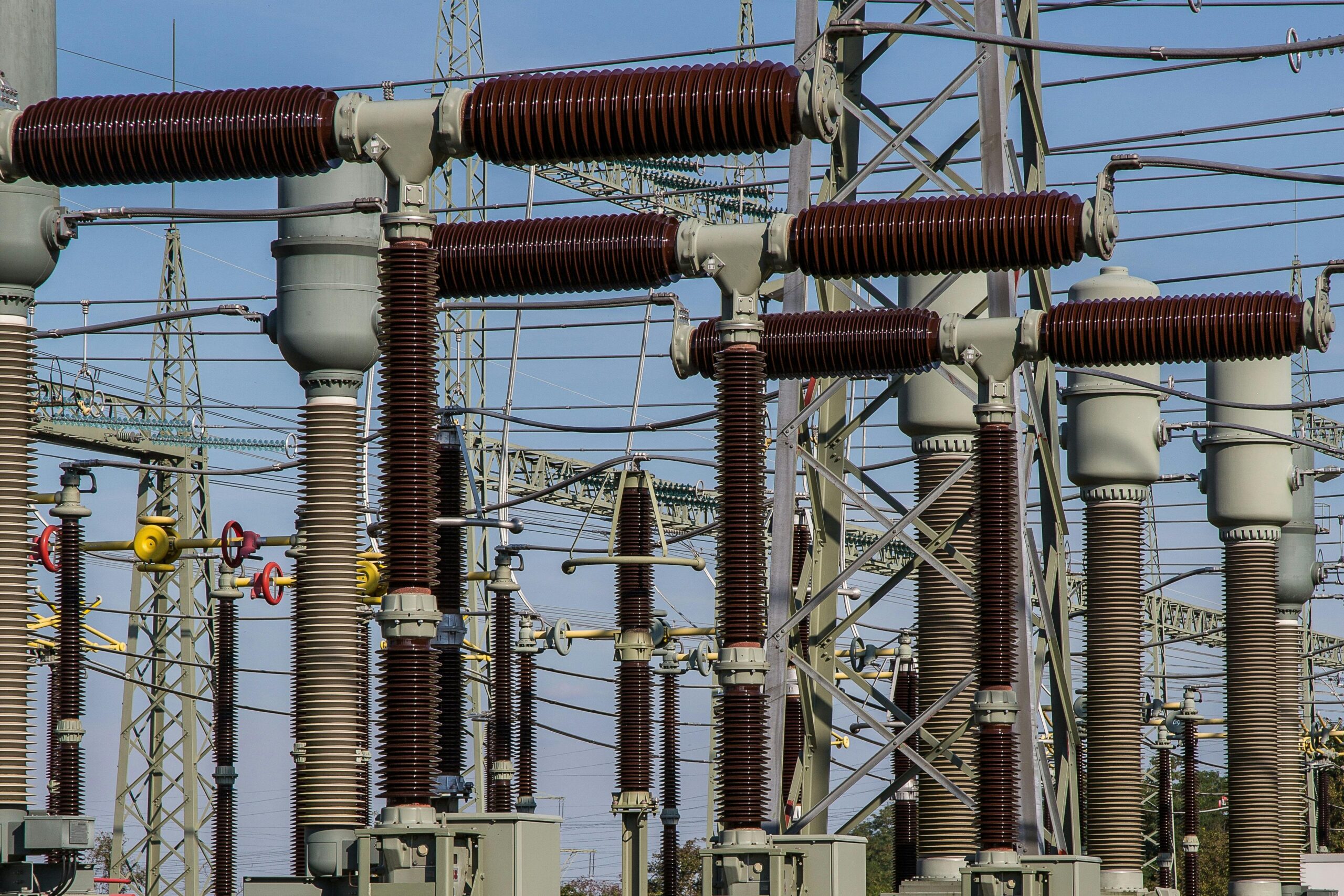
By allowing a generator to sell electricity to many buyers through existing grid infrastructure, multilateral wheeling promises to expand market access and inject much-needed flexibility into electricity trading.
The idea itself is not new.
What is new is the urgency to make it function at scale and work reliably At its core, multilateral wheeling reshapes how electricity is traded.
Instead of power flowing through rigid, one-to-one contracts, supply and demand can connect dynamically across....