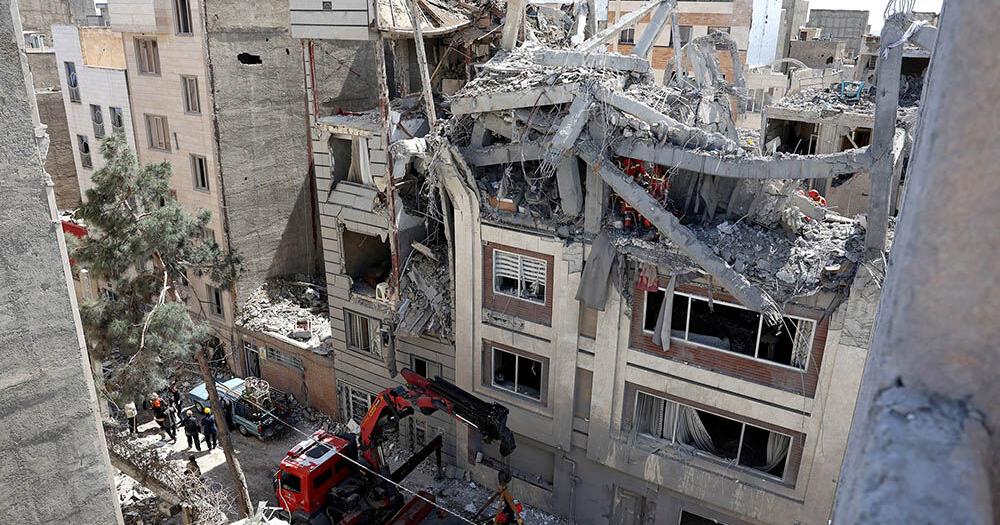
Iran and Israel exchanged missile fire and Tehran targeted several Gulf states, underscoring the willingness of the two sides to keep fighting even as U.S.
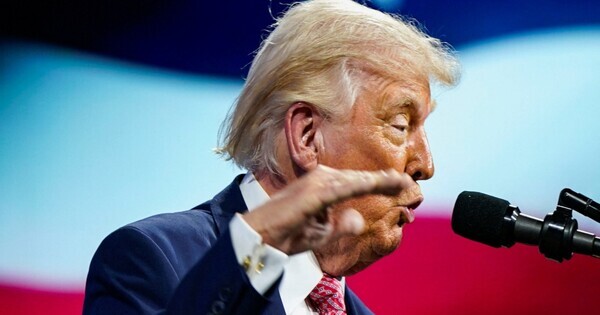
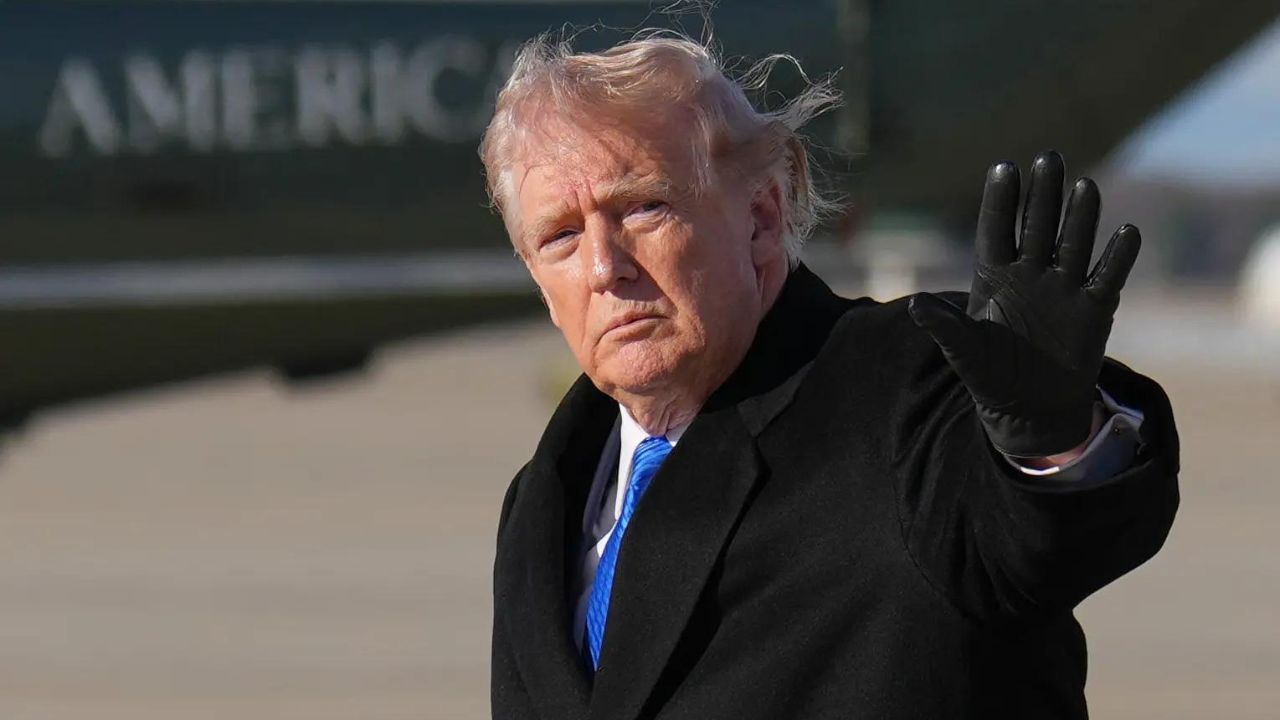
President Donald Trump pushes for peace talks.
Saudi Arabian authorities reported that they intercepted several drone and missiles on Friday, many heading to the capital, Riyadh.
In Qatar, residents of Doha got missile alerts on their phones for the first time in days, while Israel said it detected launches from Iran.
Kuwait said drones damaged two ports.
There were no casualties announced for any of the incidents.
Israel, meanwhile, continued to strike what it said were missile- and mine-production sites in Iran.
Defense Minister Israel Katz said the military would escalate its assault on the Islamic Republic in response to the targeting of civilians, echoing the general sentiment from Israeli leaders that they remain committed to the campaign.
The attacks came hours after Trump pushed back his deadline for Iran to agree to reopen the Strait of Hormuz or face attacks on its power infrastructure.
The 10-day extension was his second since Saturday’s threat to destroy the critical infrastructure in the absence of Tehran reopening the critical waterway, a chokepoint that’s become increasingly urgent with global energy and commodity shortages mounting.
Brent crude rose 2.7 percent to about $111 a barrel on Friday, extending its climb this year to 82 percent.
The conflict has caused fuel shortages and fears of stagflation across major and emerging market economies.
Iran has rejected a 15-point list of cease-fire terms delivered by the U.S.
via intermediaries in Pakistan, and has countered with five conditions of its own, including the maintaining of sovereignty over the Strait of Hormuz.
While the two sides appear far apart in the effort to reach an agreement, Trump said talks with Iran are going “very well.” Still, he said the American war effort is “ahead of schedule,” and the longer deadline allows more time for the U.S.
to amass troops in the region.
The Wall Street Journal reported that the Pentagon is considering sending as many as 10,000 additional soldiers to the Middle East.
Some European governments think it’s all but inevitable the U.S.
will deploy ground troops, despite the high risk of casualties, according to a diplomat familiar with the matter who requested anonymity to discuss sensitive subjects.
Iran’s government believes there’s a high likelihood Trump tries to take over Kharg Island, the Persian Gulf site from which Iran sends most of its oil exports, according to an official from the Islamic Republic, who spoke on condition of anonymity.
Military analysts say that aside from....