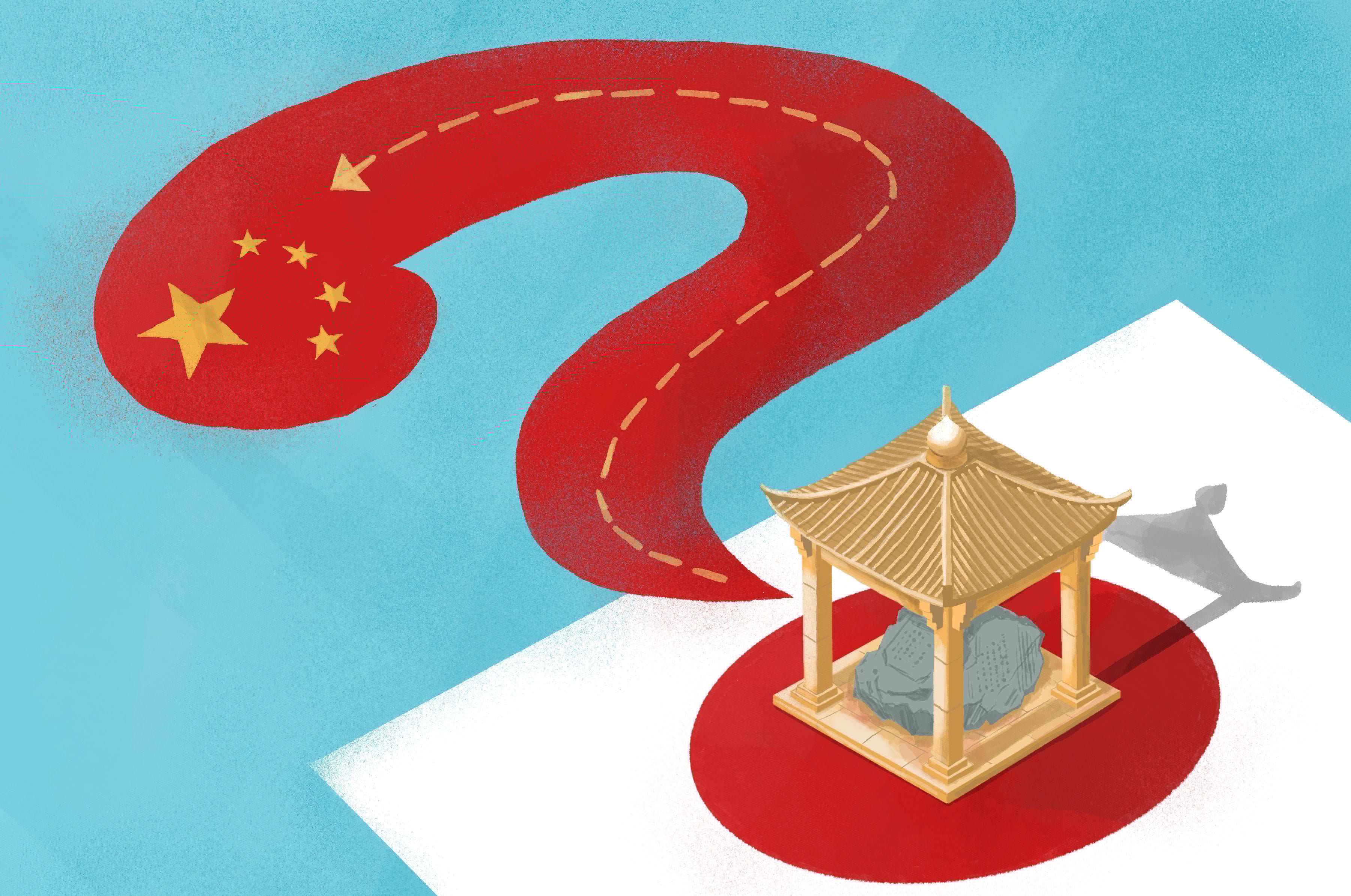
The agreement, grandly titled Toward a New Golden Age for the U.S.–Indonesia Alliance, promised tariff exemptions for key exports like palm oil, coffee, cocoa, and rubber.
In exchange, Jakarta pledged to scrap barriers on more than 99% of U.S.
imports and commit to some $33 billion in purchases of American energy, aircraft, and agricultural products.
The very next day, the U.S.
Supreme Court struck down Trump’s Liberation Day tariffs—including the original 32% levy that had forced Jakarta into the talks in the first place—as unconstitutional.
(Trump has since followed up with two new trade probes on Indonesia, one on excess manufacturing and another on forced labor.) The Supreme Court’s ruling was the most visible example of bad timing in what has been a punishing few months for Southeast Asia’s largest economy, and an early test of President Prabowo Subianto’s high hopes for his tenure.
Since January, Indonesia has absorbed shocks from multiple directions at once.
A warning from global index provider MSCI that Jakarta’s opaque stock market could lose its coveted emerging-market status triggered an 8% drop in markets over two days.
Moody’s and Fitch both cut their outlooks on Indonesia’s sovereign debt to negative—the first step toward a possible downgrade.
Trump’s tariffs, if they return, could threaten Indonesia’s export industries.
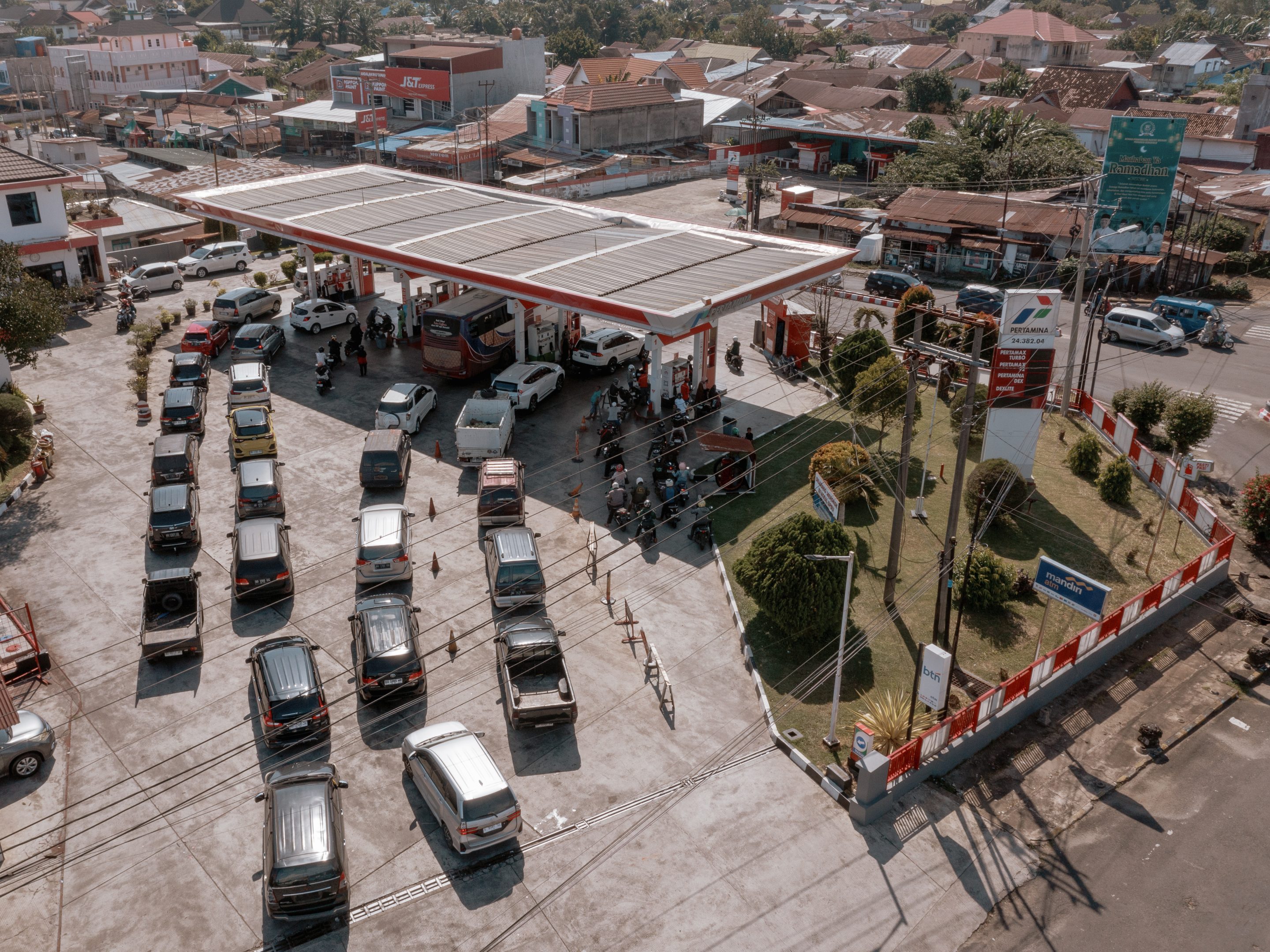
Then came the Iran war, whose disruptions to the Strait of Hormuz threaten Indonesia’s fuel supply.
“The economy is heading into a perfect storm,” says Siwage Dharma Negara, co-coordinator of the Indonesia Studies Program at the ISEAS–Yusof Ishak Institute in Singapore.
“This is something we’ve never imagined before.” So far, these back-to-back blows haven’t hurt Indonesia’s real economy.
But higher commodity prices, a weaker rupiah, and a squeeze on government spending could hit affordability in a country where protests in response to rising fuel prices and the cost of living are already common.
More broadly, analysts warn that Indonesia’s push to give the state a greater role in the economy could hit business confidence and investment, just at the moment when Indonesia needs capital to grow its manufacturing and mining sectors.
“We’re in an unusual period where Indonesia’s need for foreign capital is high, but its willingness to constrain itself in pursuit of that capital is low,” says Mattias Fibiger, an associate professor at Harvard Business School who covers the Southeast Asian country.
A “human capital” president Prabowo Subianto took office in October 2024 with a bold target of 8% annual growth by 2029.
He inherited a solid economy from his popular predecessor, Joko Widodo—better known as Jokowi—who had tried leveraging Indonesia’s abundant natural resources through a “downstreaming” drive: banning raw nickel ore exports and forcing investors to build smelters and refineries on Indonesian soil.
That policy turned the country into a critical node in global battery and EV supply chains.
Prabowo has sought to expand the state’s role further still.
“If you can think of Jokowi as a ‘physical capital’ president, then Prabowo is a ‘human capital’ president,” Fibiger explains.
Prabowo hoped to invest in expansive social programs, like a nationwide free nutritious-meals scheme—now budgeted at roughly 335 trillion rupiah ($20 billion) for 2026, almost 9% of the total state budget, targeting 82 million schoolchildren, infants, and pregnant women.
But it will take a long time for such programs to pay off, if they do at all.
“Those dividends will be felt a generation down the line, not a year, not three years, not five years down the line,” Fibiger says.
Negara is blunter, noting these measures “are not really contributing to productivity growth.” Fibiger traces Indonesia’s problems back to September, when Prabowo abruptly removed his widely respected finance minister, Sri Mulyani Indrawati, amid mounting protests over living costs and inequality.
Sri Mulyani had served three presidents and was, in Fibiger’s words, “a personification of the Washington consensus,” or a champion of fiscal discipline and market-oriented reforms.
Her replacement, Purbaya Yudhi Sadewa, was more aggressive on spending, tapping some $12 billion of the country’s reserves to recapitalize state-owned banks and pledging to use more than half of the government’s “rainy day” fund by the end of 2025.
“Indonesia has been a victim of both bad timing and bad policy,” Fibiger says.
Ratings shock Yet the first shock to the country came from a different source entirely.
28, MSCI warned that it might downgrade Indonesia to a “frontier market,” citing a lack of transparency over company ownership.
Indonesia’s markets have long featured companies with dominant controlling shareholders and limited public floats, allowing insiders to drastically move share prices.
The market rout eventually wiped out $120 billion in value and forced out not only the chief executive of the Indonesian Stock Exchange (IDX), Iman Rachman, but also the chair of the Financial Services Authority (OJK), Mahendra Siregar.
Goldman Sachs downgraded Indonesian equities to “underweight” and estimated that a drop to frontier-market status could trigger another $7.8 billion in outflows.
Some local brokers warned that, in aggregate, more than $60 billion of foreign holdings could eventually exit if Indonesia were reweighted toward existing frontier peers.
Jakarta moved quickly to try to head that off.
OJK pledged to raise minimum free-float requirements to 15% and tighten disclosure of company owners.
Danantara, Prabowo’s new sovereign wealth fund, was mobilized to buy equities; the investment ceiling for pension funds and insurers was raised from 8% to 20% of assets.
Pandu Sjahrir, Danantara’s chief investment officer, a coal tycoon turned venture capitalist before joining the fund, says the IDX has “improved significantly”....