For a long time, high sensitivity to sound, light, touch, or texture was framed primarily as a disorder.
Today, however, clinicians are recognising a broader perspective: sensory sensitivity need not be reduced to a diagnostic label, but can instead be understood as a neurological trait: one that reflects natural variation in how individuals experience and respond to the world.
Understanding sensory sensitivity Adults with high sensory sensitivity often do not present with this label.
They report feeling overwhelmed in crowded places, fatigued after social interactions, or irritable in bright or noisy environments.
Subtle triggers such as constant background chatter, phone notifications, or even certain fabrics, can lead to mental exhaustion.
Chakkera Priyanka, neurologist at Kauvery Hospital, notes that individuals living with these symptoms may display deep processing, heightened awareness of their surroundings, and strong pattern recognition.
At the same time, they may experience sensory overload, resulting in fatigue, headaches, sleep disturbances, or burnout-like states.
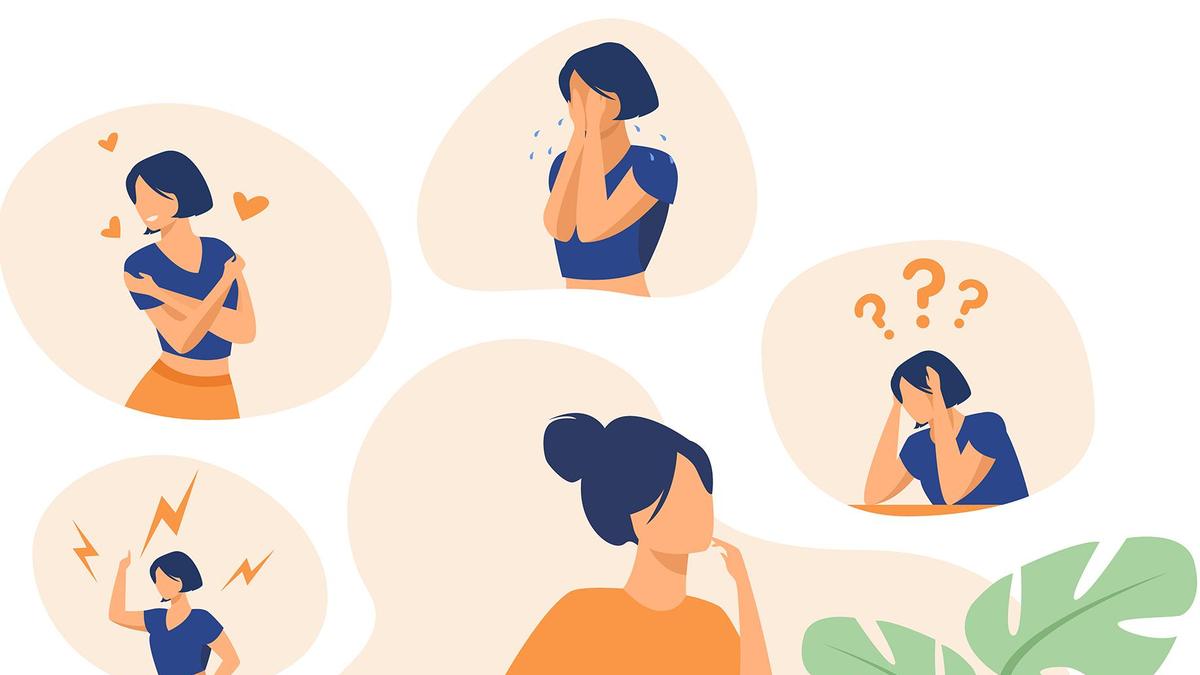
Yet, these experiences are frequently misread.
“Many are labelled as anxious, moody, or difficult, when the underlying issue is sensory overload,” she says.
Mithun Prasad, psychiatrist, SIMS Hospital, adds that sensory symptoms alone do not define psychiatric conditions, but often overlap with anxiety or obsessive traits , complicating diagnosis.
Gaps in India’s clinical and public discourse Despite its prevalence, sensory sensitivity remains under-recognised in India’s healthcare and research frameworks.
Much of the existing work is embedded within conditions such as autism spectrum disorder, which have clearer diagnostic criteria and institutional backing.
As Sreenivas U.M., consultant neurologist, Apollo Speciality Hospitals, explains, “There is a large group of people who function well but still struggle with sensory environments.
Since they don’t fit into a diagnosis, their experiences are often brushed off.” This gap has consequences.
In many cases, everyday overwhelm is normalised as stress or personality.
Without recognising sensory triggers, individuals may receive support for anxiety or mood symptoms, while the root cause remains unaddressed.
The absence of formal classification, limited screening tools, and low awareness contribute to misdiagnosis and inadequate coping strategies.
Clinicians point out....