By Oman MarketMarch 27, 2026March 28, 2026helium shortage Middle East conflict semiconductor industryWith 0 comments A month into the ongoing conflict in the Middle East, the global economy faces an unexpected shortage of helium, a crucial gas with no substitute.
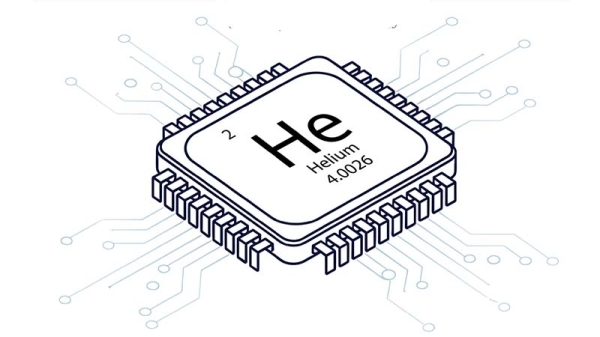
Helium, an odorless, colorless, and lighter-than-air gas, plays an essential role in manufacturing computer chips that power artificial intelligence (AI)—a significant driver of U.S.
market growth.
Produced mainly as a byproduct of natural gas processing in the United States and Qatar, helium supply has been severely disrupted.
Production in Qatar ceased this month, eliminating approximately one-third of the world’s supply.
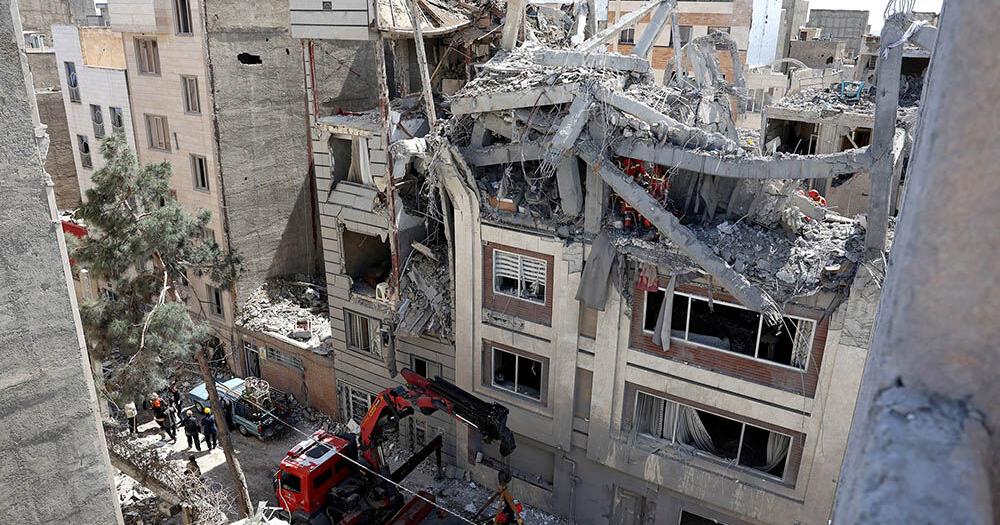
The situation worsened when Iran struck Qatar’s largest liquefied natural gas (LNG) facility last week, damaging helium production infrastructure that may take years to restore.
This shortage threatens major semiconductor manufacturers, including Taiwan Semiconductor Manufacturing Company (TSMC), Samsung Electronics, and SK Hynix.
These companies could face challenges maintaining production, which would impact a wide range of devices reliant on semiconductors—from Apple’s iPhones to Nvidia’s AI servers.
While helium is commonly associated with balloons, its industrial applications are far more profound.
As the coldest liquid known, helium is vital for cooling superconducting magnets in MRI machines.
A shortage could extend beyond chip manufacturing, affecting scientific research, medical imaging, and even space exploration.
Semiconductor production involves multiple stages requiring helium, such as cooling intricate machinery that etches circuits on silicon wafers and flushing out chemical residues after washing the wafers.
Experts predict that the industry may feel the effects of the shortage within weeks or months, as companies currently rely on stored helium and shipments already in transit to Asia before the conflict began.
A critical issue lies in the disruption of global helium logistics due to the closure of the Strait of Hormuz, a key shipping route blocked since the U.S.-Israeli military campaign started last month.
About 200 specialized helium transport containers remain stranded in the strait, requiring months to reposition, refill, and deliver gas supplies.
With both production and transportation hindered, analysts warn that a helium shortfall impacting chip manufacturing is inevitable.
“There is a tsunami coming, but it’s still a thousand miles offshore,” said Phil Kornbluth, a former gas industry executive and helium consultant.
TSMC stated it is....