At the height of the energy crisis in the 1970s, when oil prices more than sextupled, The Economist magazine showed a map of the Persian Gulf on its cover with the headline, “What’s a Nice Thing Like Oil Doing in a Place Like This?” The Iranian miscreants, with whom we are now at war, understand that, although they could care less what their own citizens think, in free countries public opinion and support is vital to a president’s ability to wage war.
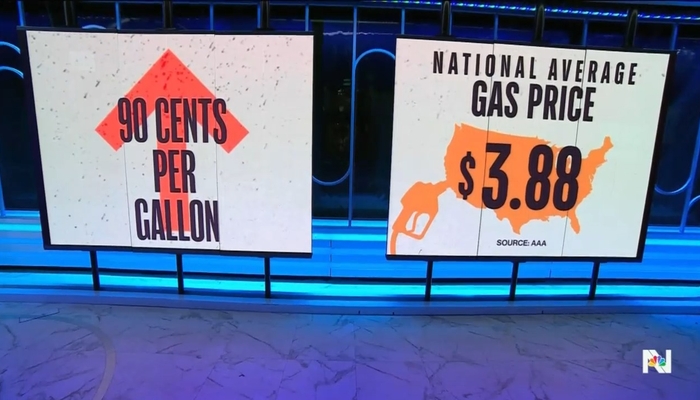
By impeding the movement of ships through the Strait of Hormuz, through which 20% of the world’s oil supplies pass, they know they can hit the American people at the gas pump and start them screaming for President Donald Trump to pull out of the war.
I felt it the other day when I shelled out $150 to fill my tank.
For sure I wasn’t happy.
But for the many who are out of sorts because of high gas prices, know that if it brings you to sta rt calling for Trump to pull out of the war, you are following to the letter the script written by the terrorists in Tehran.
One thing that characterizes times like this is the tendency for governments to not do what they should do and to do what they shouldn’t do.
Weak leaders govern by poll, not by principle.
Their finger is always to the wind trying to determine what will make voters happy tomorrow.
They seek ways that government can “ease the pain.” In that energy crisis of the 1970s, President Jimmy Carter launched a major government assault on energy markets.
Price controls.
Government programs to incentivize use of alternative energy sources.
He created the Department of Energy.
It all just made things worse.
Carter then was voted out, and Ronald Reagan was....