HARARE — A legislative storm, ostensibly aimed at rewriting Zimbabwe’s constitutional future, has taken a chilling turn as the nation’s powerful military establishment appears to be fracturing.
At the heart of this deepening crisis is the Constitutional Amendment Bill No.
3, a controversial piece of legislation that critics and legal experts have branded a “procedural coup.” This bill, designed to consolidate the power of President Emmerson Mnangagwa and the ruling Zanu PF party, has ignited a fierce succession battle, now openly challenging the very generals who once propelled Mnangagwa to power.
The question on many lips across Zimbabwe is stark: will the military intervene once more? The most contentious provision of the bill is a radical shift in how the nation’s leader is chosen.
If passed, Zimbabwe would scrap direct presidential elections, moving the power to appoint the president to Parliament.
In a chamber where Zanu PF currently commands a decisive two-thirds majority, this move would effectively ensure the party’s long-term control over the executive branch.
Furthermore, the bill proposes extending presidential and parliamentary terms by an additional two years, pushing the next political transition from 2028 to 2030.
This “2030 agenda” has become the focal point of a national outcry, as it appears designed to benefit Mnangagwa as he approaches the end of his current term.
However, the resistance to this legislative manoeuvre is not limited to civil society and war veterans; it has reached the very heart of the military establishment.
A group of retired generals and senior civil servants, led by Retired Air Marshal Henry Muchena, has openly challenged the 2030 plot.
In a formal submission to Parliament dated March 12, 2026, the group argued that the amendments undermine the sovereignty of Zimbabwean citizens and violate the founding principles of the liberation struggle.
“We write to you today not as rebels, not as dissenters, and not as enemies of the party to which we have given our entire lives,” the statement from the retired commanders reads.
“We speak as men who were present when this nation was being born in blood and fire… with a solemn promise that the people of Zimbabwe would one day govern themselves.” The retired generals invoked the ideological foundations of the struggle, citing slogans like “Gore ReMasimba eVanhu” (Year of People’s Power).
“These were not mere slogans,” the statement continued.
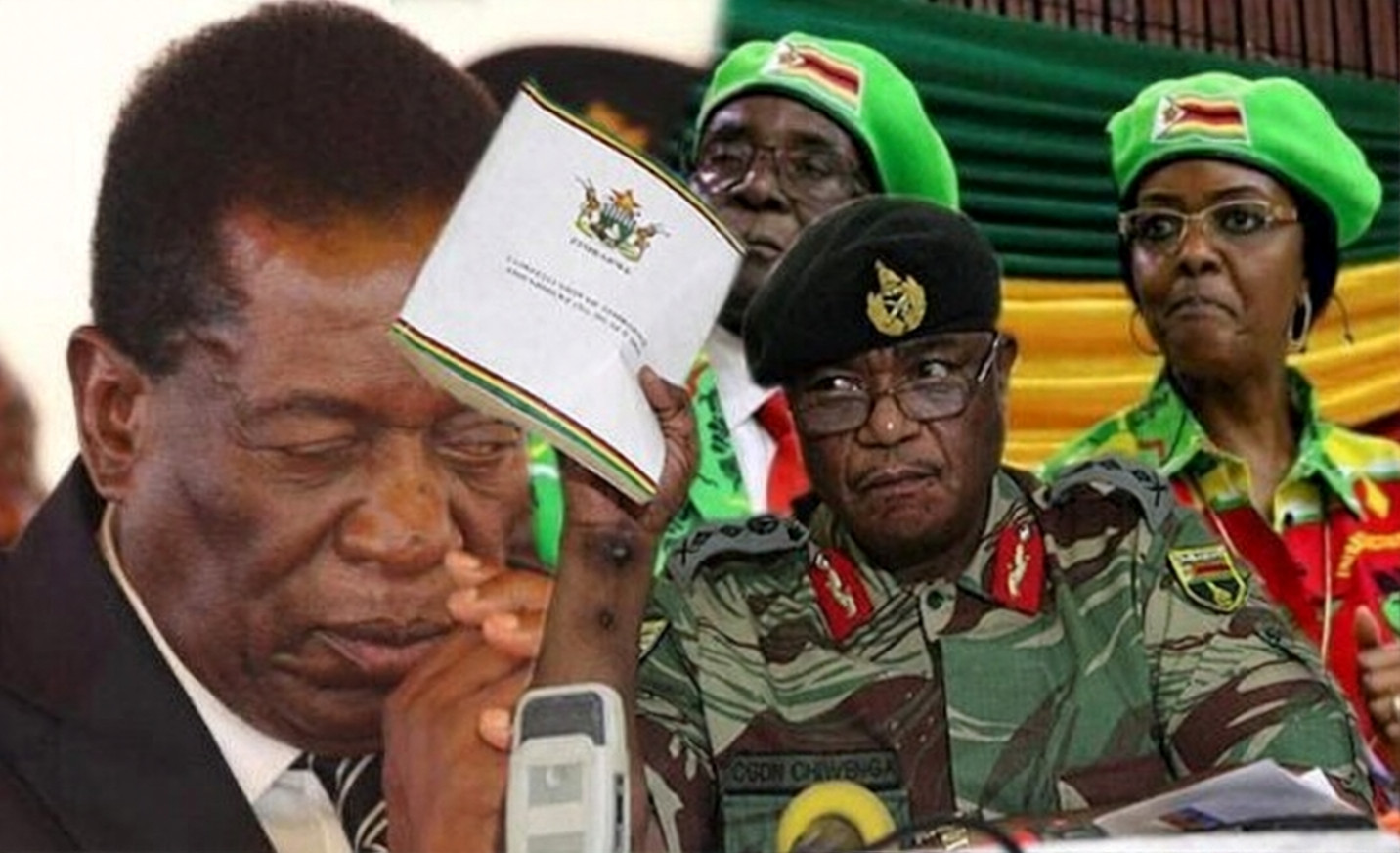
“They were the covenant we made with every Zimbabwean that sovereignty would rest with the masses, not with the privileged few.” This intervention by senior liberation figures signals a deepening power struggle within Zanu PF, with a faction linked to Vice President General (retired) Constantino Chiwenga said to be firmly against Mnangagwa’s term extension.
The retired commanders were emphatic: “If these amendments are truly in the national interest, let them be put to the people.
Call a referendum.
Let the same Zimbabweans who gave us that Constitution speak again.” They also sought to clarify their loyalty while asserting the nation’s ownership of its supreme law.
“We are ZANU-PF.
We have always been ZANU-PF.
We will die ZANU-PF.
We are not merely members — we are stockholders.
This is our party, forged in our sacrifice.
The national Constitution is not ZANU-PF’s property.
It belongs to every Zimbabwean.” These pronouncements carry significant weight, echoing the dramatic events of November 2017, when the military, then led by General Constantino Chiwenga, launched “Operation Restore Legacy.” This intervention saw then-president Robert Mugabe placed under house arrest, ultimately leading to his resignation after nearly four decades in power.
The military leadership justified their actions by claiming they were defending the legacy of the liberation struggle and protecting the Constitution from political manipulation.
Mnangagwa subsequently assumed the presidency.
The latest intervention by retired generals has revived memories of that turbulent period, with analysts suggesting that divisions within the ruling elite may again be surfacing ahead of the next political transition.
The retired commanders argue that the same constitutional principles used to justify the 2017 intervention must also apply today.
The question now looms large: will the military, having once intervened to remove a leader, do so again if the constitutional framework is perceived to be under threat by its own? Adding a poignant layer to the resistance is the recent death of war veteran Blessed Runesu Geza, known as “Cde Bombshell.” Geza, a vocal critic of the term extension, died in exile in South Africa on February 6, 2026, after reportedly fleeing political pressure.
In a haunting final letter to Zimbabweans, Geza warned that tampering with the Constitution would betray the ideals of the liberation struggle.
His passing has served as a rallying cry for other former commanders, with Muchena stepping forward to fill the void and amplify the military establishment’s growing....