India’s equity markets wrapped up FY26 with their weakest performance since the covid-19 pandemic, as global shocks rattled sentiment.
The Nifty 50 fell 5% and the BSE Sensex dropped 7%, dragged by the West Asia war, a weakening rupee, and heavy foreign outflows.A sharp selloff on the final trading day deepened losses, with broader markets and all sectors ending in the red.
Foreign investors pulled out ₹1.12 trillion in March, even as domestic institutions cushioned the fall with record buying.Rising crude prices, currency volatility, and persistent geopolitical risks have made investors cautious, with concerns of slower growth and higher inflation ahead.Still, valuations offer some comfort.
The Nifty now trades below its long-term average, suggesting limited downside if the war escalates, though near-term volatility is likely to persist.On to, the best of Mint's work from this week:Diesel curbs spark farmer concernsAs India heads into peak wheat harvest, farmers are flagging a new worry: restricted access to diesel.
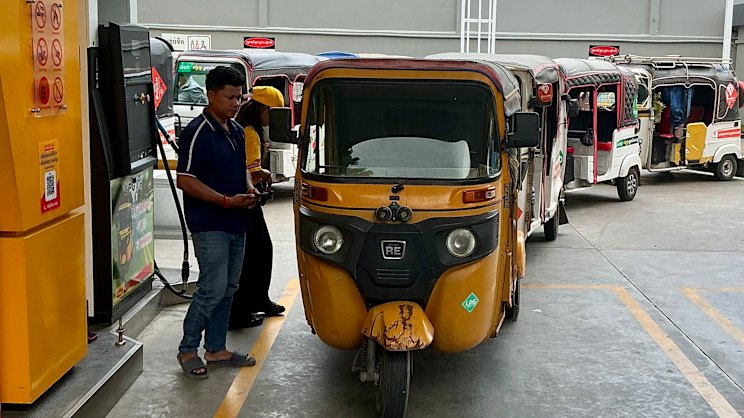
Curbs on loose fuel sales, triggered after the Hormuz blockade, are making it harder to store diesel in portable containers, a long-standing practice in rural areas.
Groups like Sanyukt Kisan Morcha warn that repeated trips to fuel stations during a narrow harvest window are impractical and could disrupt operations.
Diesel demand typically surges in April as tractors and harvesters hit the fields.
With wheat output expected to be record-high, farmers are now seeking temporary relaxations to ensure uninterrupted fuel access and avoid costly delays.
India turns to Angola for gasIndia is scrambling to secure fuel supplies as the Strait of Hormuz disruption hits imports, with Indian Oil Corporation, Bharat Petroleum Corporation, Hindustan Petroleum Corporation and GAIL in talks with Angola's Sonangol.
The companies are exploring long-term deals for LPG and LNG as nearly 90% of India’s LPG imports face disruption.
With heavy reliance on West Asia, the crisis has triggered urgent diversification efforts.
Angola, already an LNG supplier, could emerge as a key alternative, with faster shipping timelines than the US.
While talks remain preliminary, the move signals a broader shift in India’s energy strategy as geopolitical risks force countries to rethink supply security.Calling out faulty drugmakersIn a first, India is considering publicly disclosing inspection findings of drug manufacturers to boost transparency and accountability.
The Central Drugs Standard Control Organization may publish details of inspected firms and audit recommendations, as scrutiny intensifies after India-made cough syrups were linked to over 140 deaths globally.
While the move could strengthen quality oversight in the $50 billion pharma sector, officials remain cautious over legal risks and potential misinterpretation.
Industry players broadly support the plan but want safeguards to protect proprietary data and ensure findings are contextualised before being made public.Plot holes in the urban storyIndia’s cities....