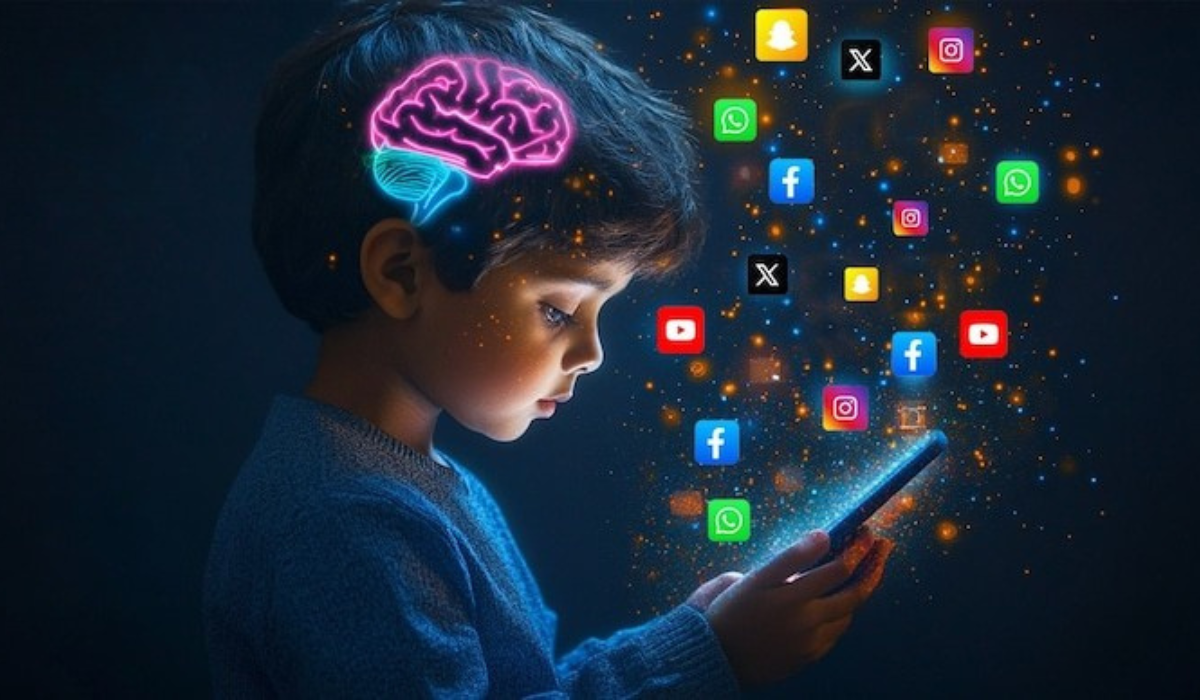
Today, social media platforms use algorithms to create algorithmic feeds, replacing the simple chronological timeline they once used, to guide users to where their attention can be monetized, eyeballs to ads.
When scrolling through your social media feeds or even surfing the Internet, it’s not a stretch to say, “The algorithm guided me here.” Although algorithms undeniably offer social media companies significant business benefits by personalizing feeds based on individuals’ internet search and browsing histories, their fundamental consequence—whether intentional or not—is the creation of echo chambers that eliminate friction.
It’s this erasure of friction that has social media algorithms raising a generation of permanent children.
A child believes their emotions are facts.
If they’re angry, the world is wrong.
If they’re scared, the world must be dangerous.
When they want ice cream, you either give it to them or you’re a baddie.
Until recently, the way we, as was certainly true for me, transitioned from childhood to adulthood was to be repeatedly knocked down until we realized we weren’t the centre of the universe.
Because algorithms are perpetually catering to our desires, they reinforce a childlike view that you deserve whatever you want or feel however you feel.
While this ongoing “reinforcement” is unhealthy at any age, it’s particularly harmful for those in their formative years, as they’re not getting an actual sense of the world’s indifference to their values, beliefs, discomforts, or whatever they’ve labelled themselves as being a victim of.
Today’s youth don’t encounter the friction essential to growing up.
Growth requires the world to contradict you, something algorithms never do.
Social media arrived with the enticing promise of connection, democratization, empowerment and freedom from restraints.
In our minds, we thought we were connecting, when in fact we were rehearsing separation from anyone whose views or lifestyle challenged our own or made us feel uncomfortable.
Rapidly, like-minded digital silos were created, the Internet’s and social media’s biggest draw, making it unnecessary to deal with anyone with opposing views; the most visible consequence: the decline in social skills.
Now, algorithms, coupled with AI, have us repeating the same mistake, only faster.
Social media has made the spread of self-serving, curated truths and “falsehoods” easy, too easy.
Thinking, our human edge, is needed more than ever to discern truth from fiction,....