)
Tel Aviv: Even as sirens sound across Israeli cities and Iranian missiles continue to cross the skies of West Asia, financial markets in the country are moving in a different direction.
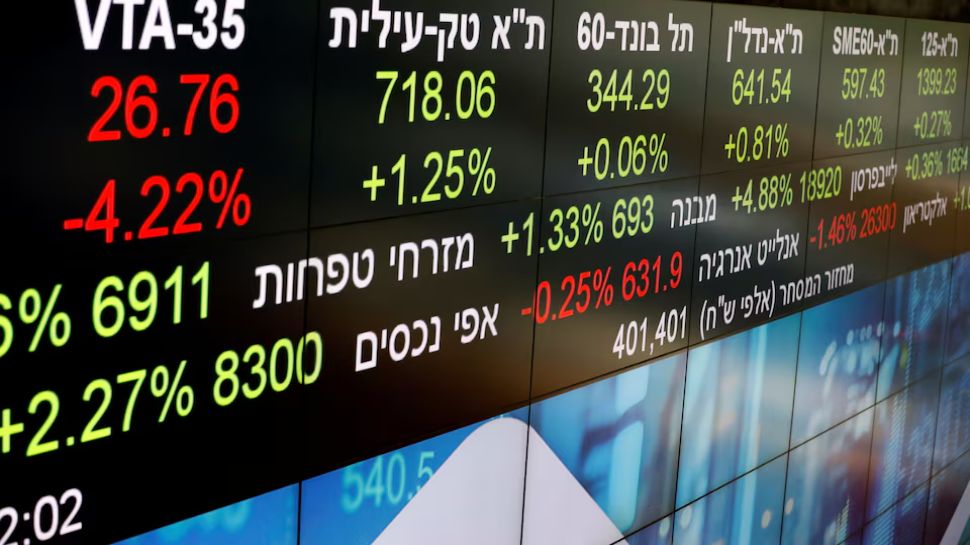
The Tel Aviv Stock Exchange has climbed sharply during the ongoing war.
This has surprised observers who expected the confrontation to trigger panic selling.
Live market data shows Israeli equities rising nearly 8.85 percent overall, with the main index gaining more than 4 percent in a single trading session.The rally has drawn attention because markets usually react negatively to prolonged military confrontation.
Investors, however, appear to be looking beyond immediate battlefield risks and focussing on what they believe could be longer-term strategic outcomes.Market sentiment suggests that traders are pricing in expectations of a decisive military trajectory that may weaken Iran’s regional influence over time.
Analysts tracking capital flows say investors often respond less to daily headlines and more to perceived future stability.
Many market participants seem to believe that the balance of power in the region could move in a way that reduces long-term geopolitical uncertainty.Financial researchers say that markets frequently move ahead of political events.
Prices show expectations rather than present conditions.
The current rise in Israeli equities indicates confidence among institutional investors that economic disruption may be limited and that Israel’s core industries will continue functioning despite ongoing hostilities.Israel’s market structure also plays a role.
Large domestic pension funds and institutional investors provide liquidity during periods of crisis.
These long-term investors tend to increase buying when volatility rises, helping stabilise prices and sometimes pushing markets higher even during conflict.
Strong household savings and mandatory pension participation create a consistent pool of capital that cushions sudden shocks.Economic resilience has strengthened this confidence.
Israel’s technology sector, cybersecurity firms and....